How Auto Body Shops Work With Insurance After a Crash
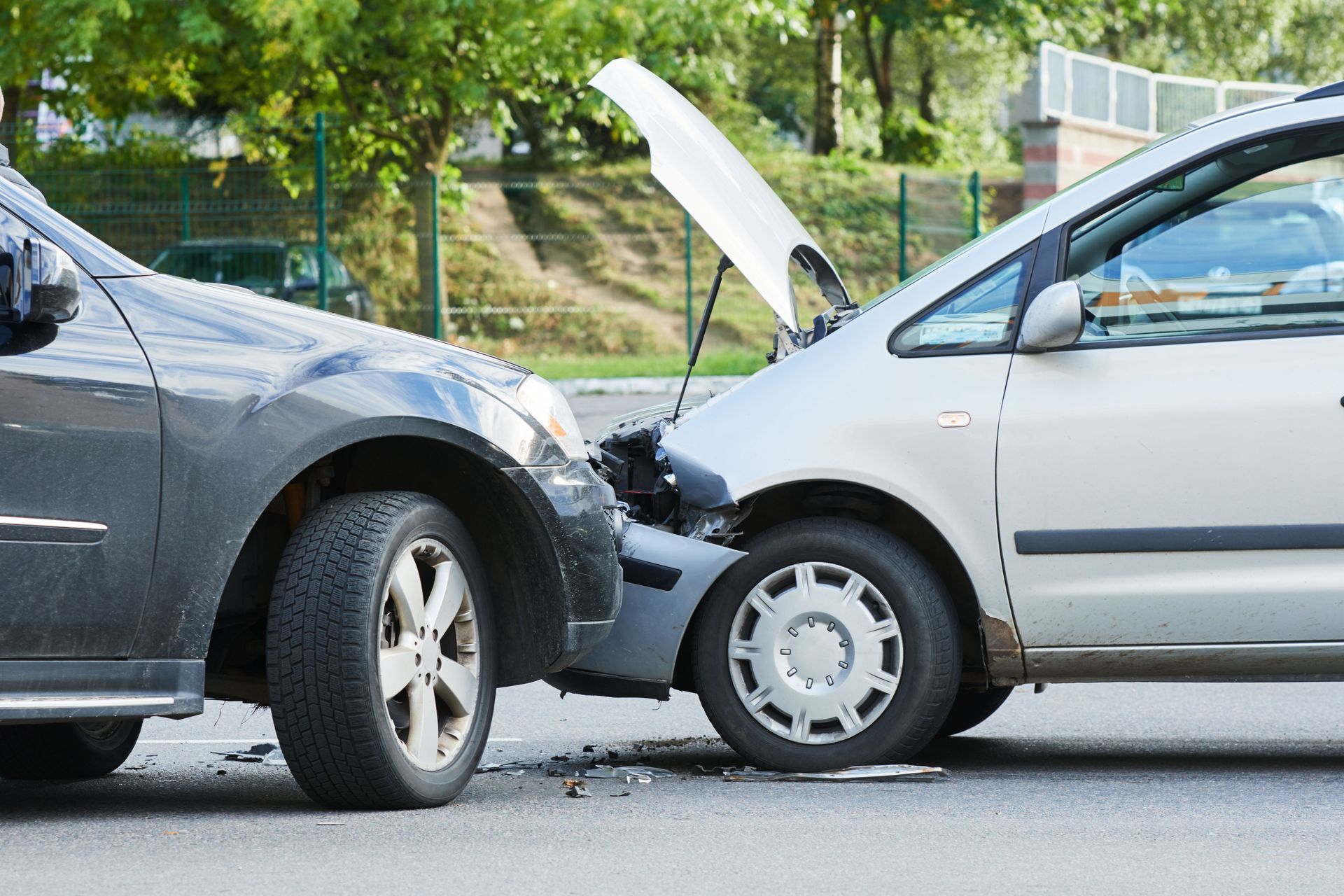
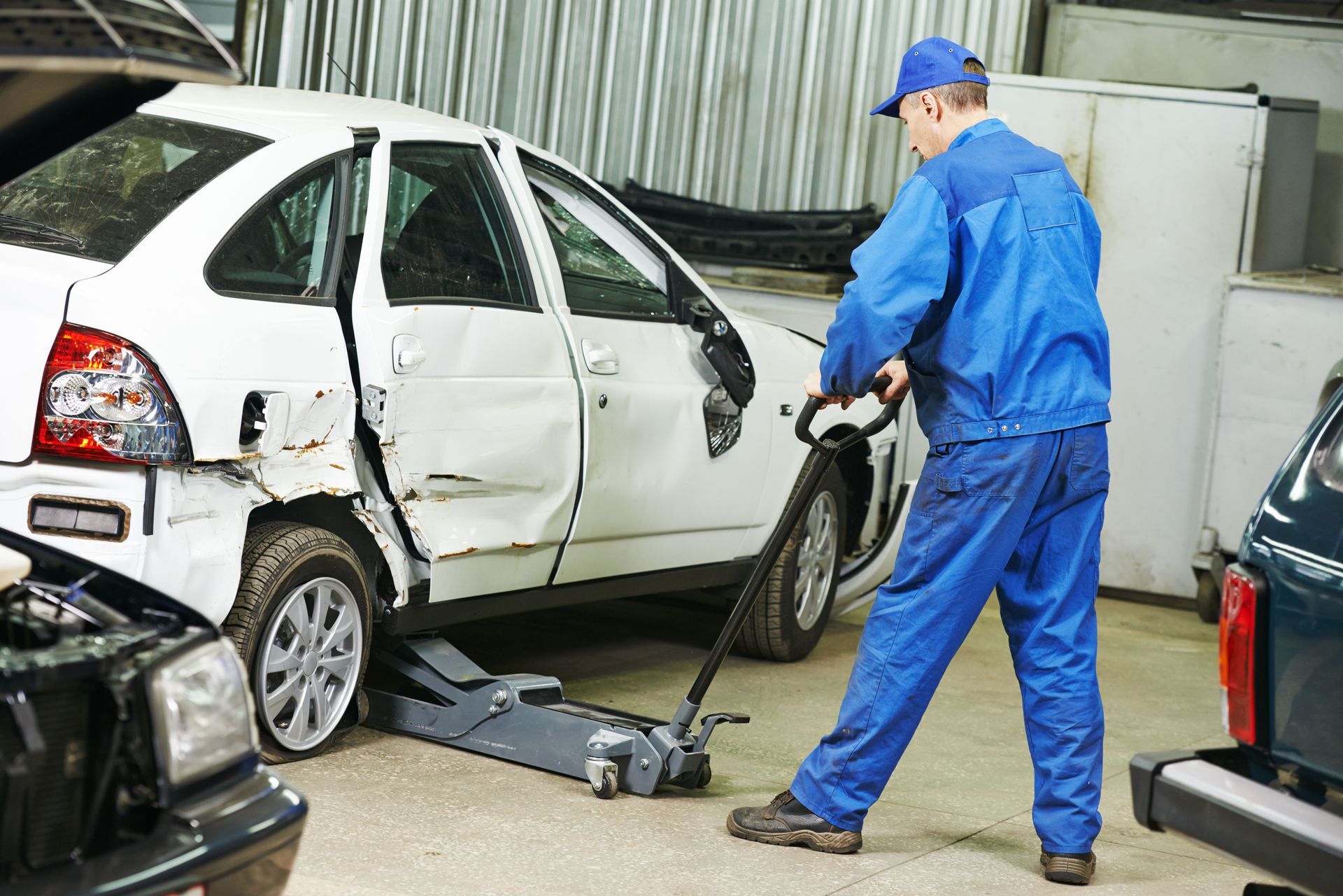
After a crash, drivers are often dealing with more than visible damage, including stress and uncertainty about what comes next. One of the biggest concerns is how repairs and insurance will be handled, which is where auto body shops step in to guide the process.
Auto body shops go beyond basic repairs by coordinating with insurers, documenting damage, and ensuring vehicles are properly restored. For those seeking local auto collision repairs, understanding this process can make the experience far more manageable.
Evaluating Damage With Thorough Inspection
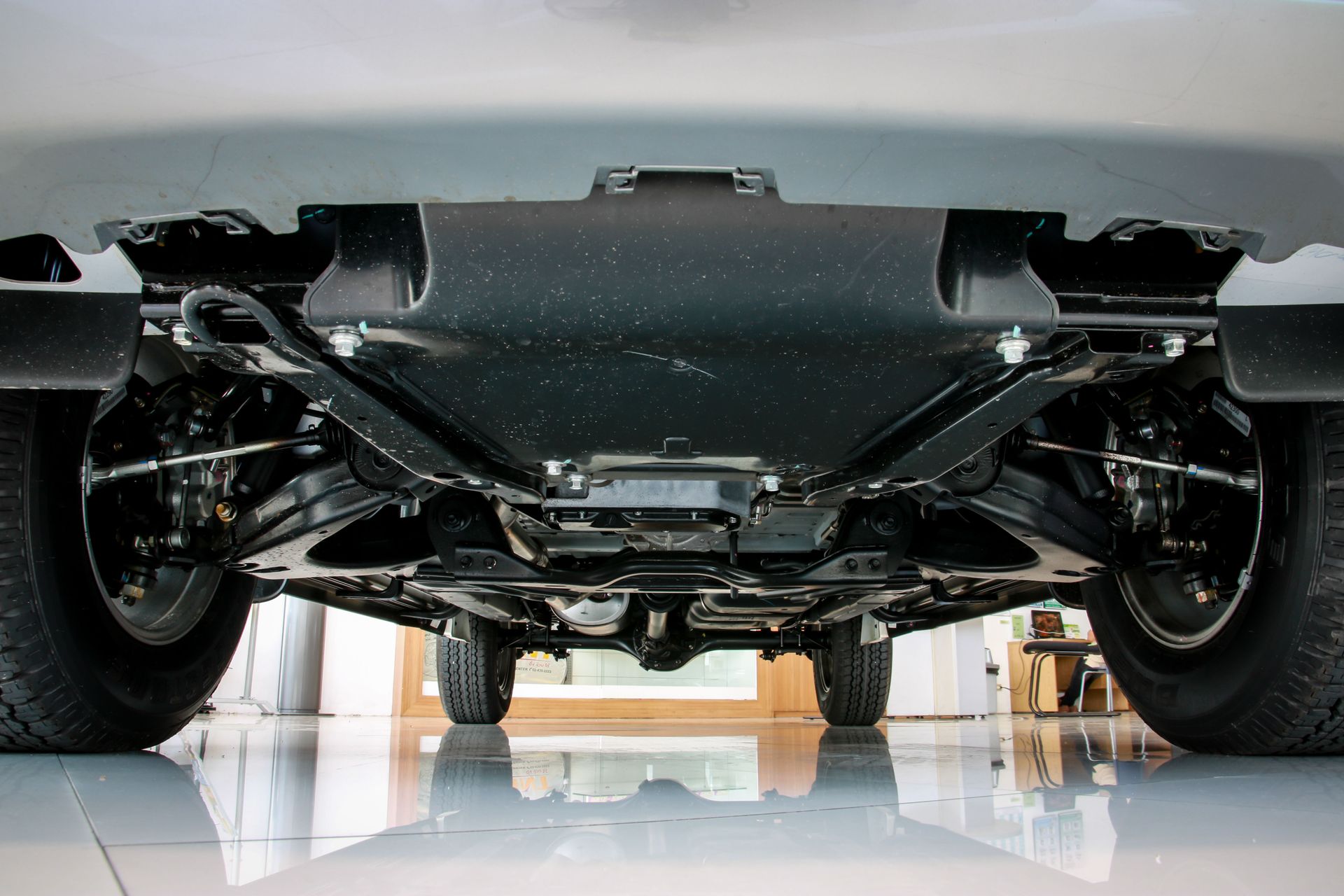
The first step after a vehicle arrives at a shop is a comprehensive inspection. Technicians look beyond the obvious damage, checking structural components, alignment, and internal systems that may have been affected by the impact. This detailed approach ensures nothing is missed, especially issues that are not visible at first glance but could impact safety later.
Accurate documentation is a critical part of this phase. Shops take photos, create written reports, and log every damaged component to build a complete picture for the insurance company. This level of detail supports the claim and reduces the chances of disputes or delays during approval. For customers seeking local auto collision repairs, this step is often where trust is built, because it shows the shop is advocating for a complete and accurate repair.
Communication also starts here. Shops walk customers through what they are seeing, explain what might need to be repaired or replaced, and outline what to expect moving forward. This early transparency helps set realistic expectations and reduces confusion as the process unfolds.
Reviewing Coverage With Policy Understanding
Once the damage is documented, the next step involves understanding what the insurance policy will cover. Not all policies are the same, and details like deductibles, coverage limits, and exclusions can affect the scope of repairs. Auto body shops regularly work with insurance providers, so they know how to interpret these policies and identify what applies to each situation.
Shops often communicate directly with insurance adjusters to clarify coverage and confirm what repairs are eligible. This reduces the burden on the vehicle owner, who may not be familiar with the technical language of insurance documents. For those navigating local auto collision repairs, having a shop that understands these nuances can make a significant difference in both cost and timeline.
Industry data highlights how common accidents—and claims—really are. According to reporting referenced by Autobody News, roughly three out of ten drivers are distracted at any given time on the road, which contributes to a steady volume of collision-related claims. With that in mind, insurance companies have established processes, and experienced shops know how to work within them to keep repairs moving efficiently.
When coverage gaps exist, shops also help explain options. They may suggest alternative repair strategies or discuss out-of-pocket costs upfront. This level of clarity helps customers make informed decisions without surprises later.
Preparing Estimates With Detailed Planning
After evaluating the damage and reviewing coverage, shops create a detailed repair estimate. This is not just a rough number—it is a structured plan that outlines labor, parts, materials, and timelines. Each line item is carefully documented to justify the cost and align with insurance requirements.
Technicians and estimators work together to ensure the plan reflects both quality and efficiency. They consider manufacturer guidelines, safety standards, and the most effective repair methods for each specific vehicle. For customers seeking local auto collision repairs, this step ensures the work is not only approved but also done right.
The estimate is then submitted to the insurance company for review. Clear, itemized documentation makes it easier for adjusters to understand the scope of work and approve the necessary repairs. When estimates are thorough and accurate, the approval process tends to move faster and with fewer revisions.
This stage also allows for adjustments if needed. If insurers request changes, shops can revise the plan while still maintaining repair integrity. The goal is always to balance cost considerations with the need to restore the vehicle properly.
Coordinating Approval With Insurance Adjusters
Once the estimate is submitted, the focus shifts to approval. Insurance adjusters review the proposed repairs and determine whether they align with the policy and claim details. This step often involves back-and-forth communication between the shop and the insurer.
Auto body shops play a key role in this coordination. They provide additional documentation if requested, explain why certain repairs are necessary, and negotiate when needed to ensure nothing essential is overlooked. For drivers relying on local auto collision repairs, this advocacy can make a noticeable difference in the final outcome.
Timing is important here. Delays in approval can slow down the entire repair process, so shops work proactively to keep things moving. They follow up with adjusters, provide updates to customers, and manage expectations throughout.
Customers are kept informed as well. Shops explain where things stand, what approvals are pending, and what happens next. This ongoing communication helps reduce uncertainty during what can already be a stressful experience.
Completing Repairs With Quality Assurance
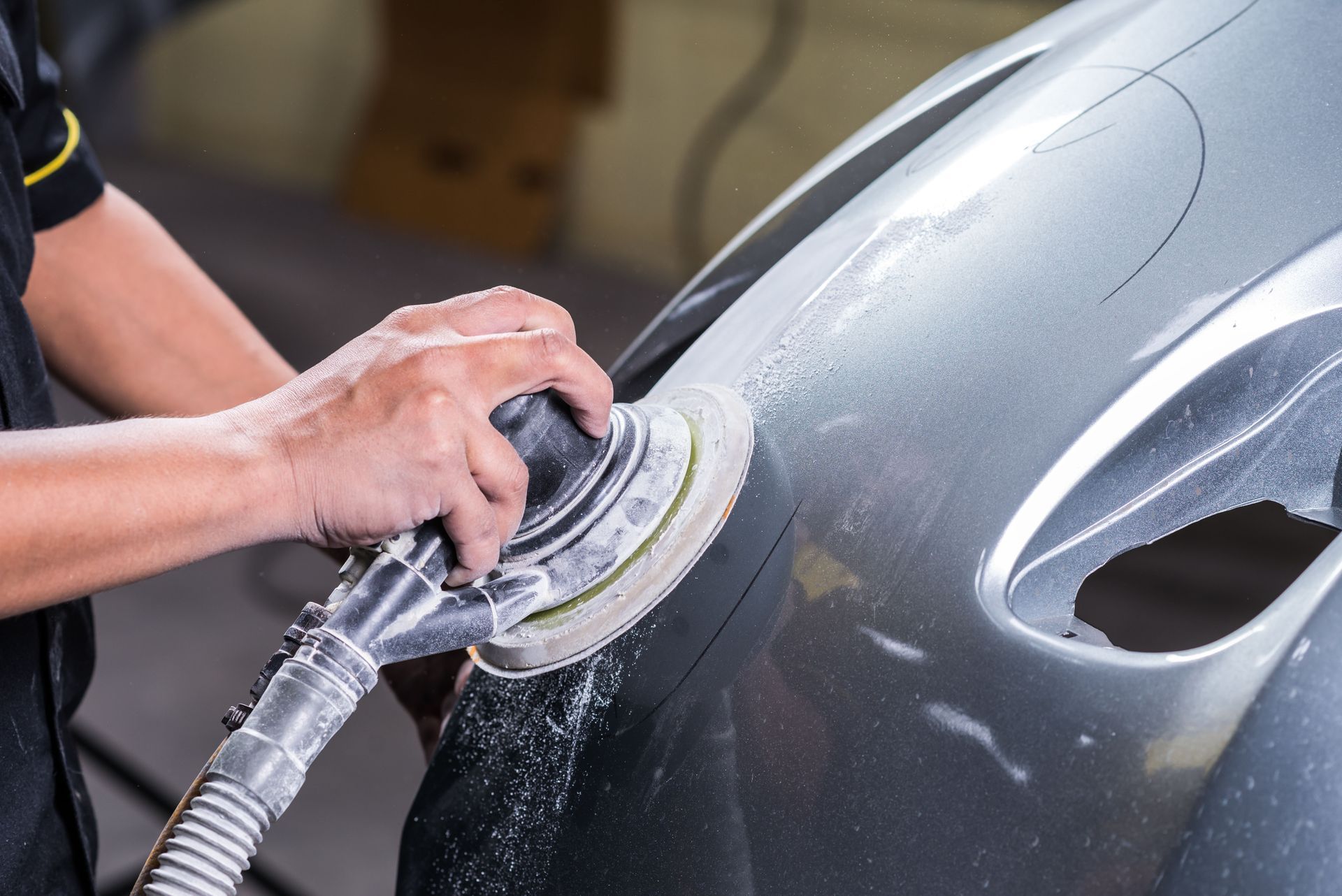
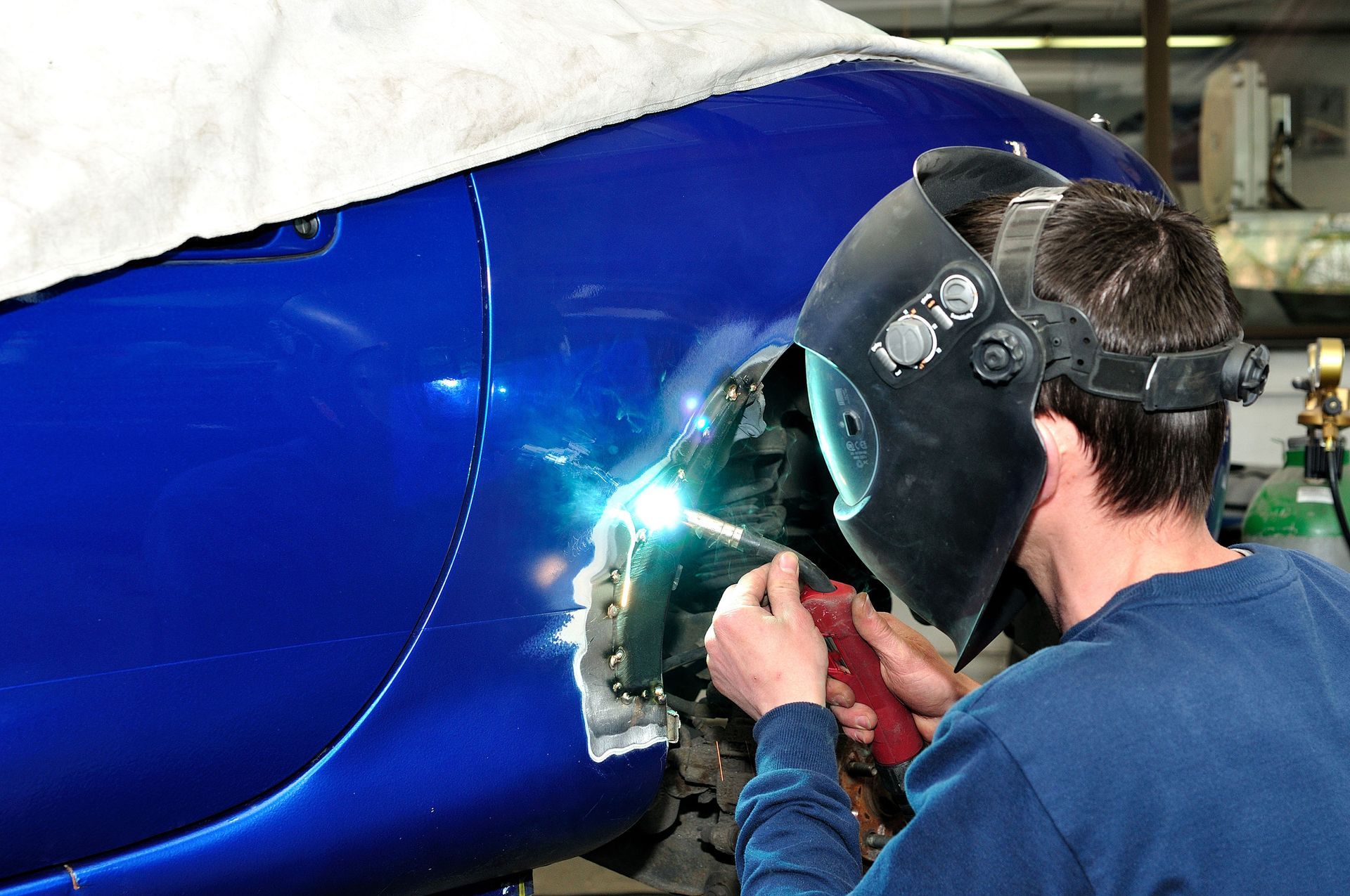
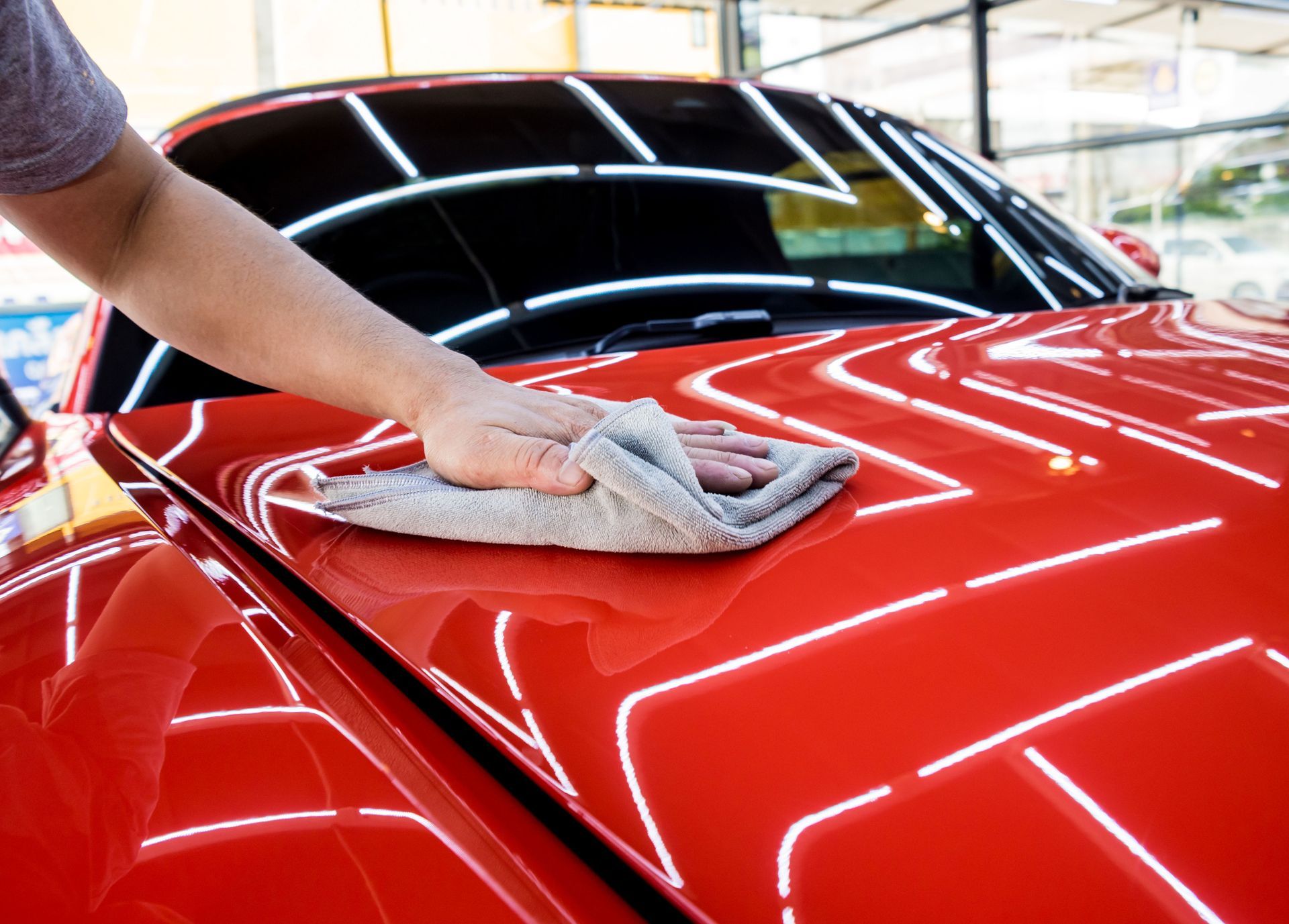
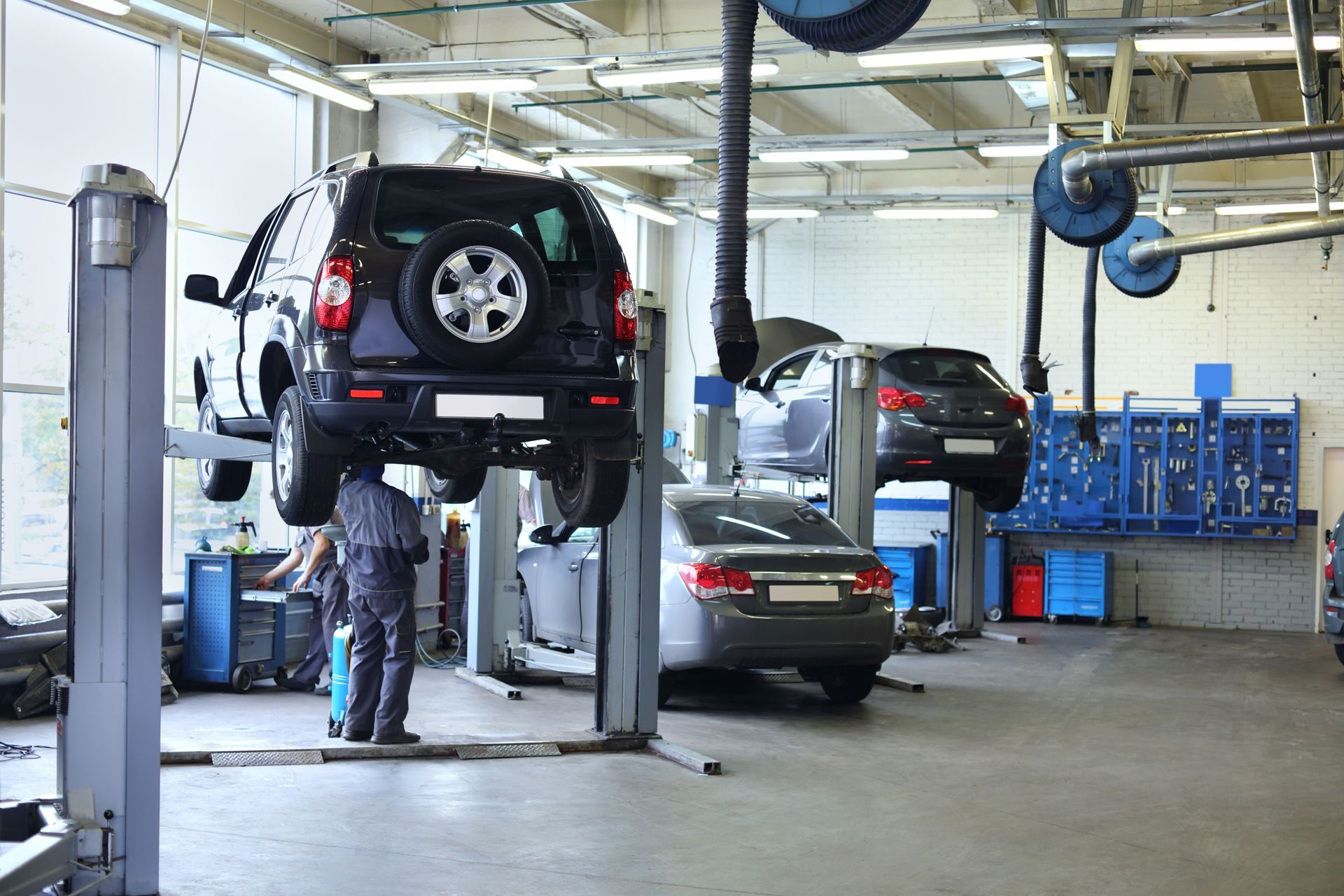
After approval is secured, the repair work begins. This stage involves everything from structural repairs and part replacements to refinishing and detailing. Shops follow the approved plan closely, ensuring every step meets both safety standards and manufacturer specifications.
Quality control is built into the process. Technicians perform checks throughout the repair to confirm that each component is installed correctly and functioning as intended. For those seeking local auto collision repairs, this attention to detail ensures the vehicle is not just visually restored but also safe to drive.
Parts sourcing is another important factor. Shops work with trusted suppliers to obtain components that meet insurance and quality requirements. Any delays or changes are communicated promptly to both the insurer and the customer.
Throughout the repair phase, updates continue. Customers are kept in the loop about progress, timelines, and any unexpected developments. This transparency reinforces trust and helps ensure a smooth overall experience.
Finalizing Claims With Inspection and Billing
Once repairs are complete, the vehicle undergoes a final inspection. This step confirms that all work has been completed correctly and that the vehicle meets safety and performance standards. Shops review every detail before considering the job finished.
Billing is then coordinated with the insurance company. The final invoice reflects the approved estimate, along with any authorized adjustments made during the repair process. Accurate documentation ensures that payments are processed efficiently and without confusion.
Customers are also brought back into the process at this stage. Shops walk them through the completed repairs, explain what was done, and answer any remaining questions. For those who chose local auto collision repairs, this is often the moment where everything comes full circle. Clear communication during handover is essential. It helps customers feel confident in the work and understand any next steps, such as maintenance or warranty considerations.
Guiding Customers With Ongoing Support
Even after the vehicle is returned, the relationship does not end. Auto body shops continue supporting customers by answering questions, addressing concerns, and offering guidance on maintaining the repair. This ongoing support adds value beyond the initial service and helps drivers feel more confident moving forward.
Many shops also educate customers on handling future incidents, from documenting damage to understanding insurance claims. By prioritizing communication and transparency, they build trust and create a more positive experience, which is why choosing the right provider for local auto collision repairs matters.
Working with insurance after a crash can feel complicated, but auto body shops simplify the process by managing everything from inspection to billing. They act as a bridge between customers and insurers, ensuring repairs are accurate, approved, and completed efficiently. If you need dependable local auto collision repairs and guidance through the insurance process, contact The Paint Spot Body Shop to get started.

Share On: