
The Science of Safety: Why Getting a Straight Frame is Crucial During Auto Collision Repairs
After a vehicle collision, visible damage often receives the most attention. Dents, scratches, broken lights, and damaged bumpers are easy to see, so many drivers naturally focus on how the car looks after the accident. However, some of the most important damage may be hidden beneath the surface. The vehicle frame plays a critical role in safety, alignment, drivability, and crash protection. When the frame is bent or weakened, the entire vehicle may be affected in ways that are not immediately obvious.
The science behind safe repair work depends on restoring the vehicle as closely as possible to its intended structural condition. A straight frame helps ensure that wheels align correctly, doors close properly, suspension systems perform as designed, and safety features respond correctly in future emergencies. During auto collision repairs, technicians must look beyond cosmetic damage and evaluate whether the structure has shifted.
Understanding Frame Structure
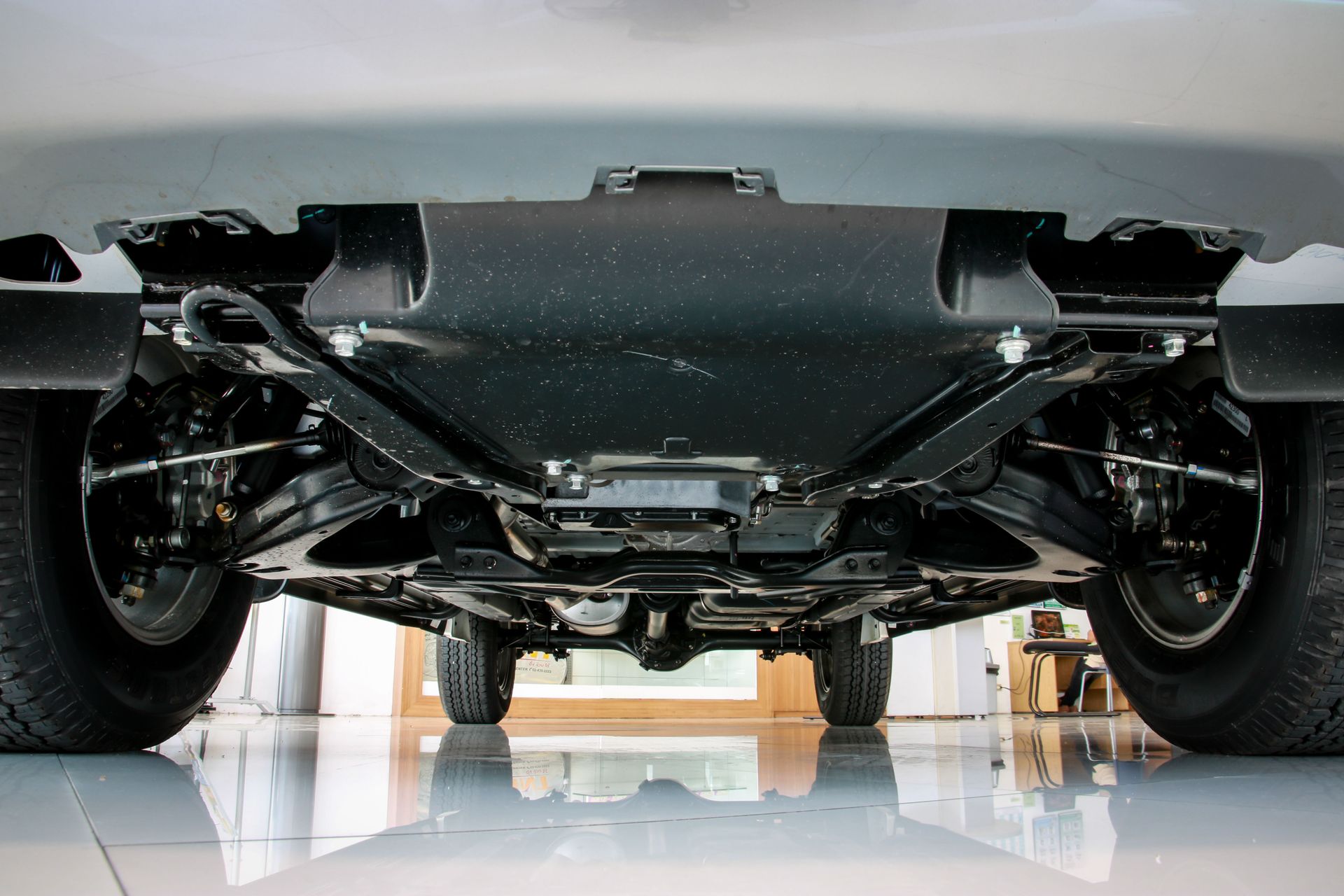
A vehicle frame is designed to support the weight of the car, maintain its shape, and help distribute forces during normal driving and collisions. In many modern vehicles, the frame is part of a unibody structure, meaning the body and frame are integrated into one system. This design improves efficiency and crash performance, but it also means that damage in one area can affect other parts of the vehicle. Even a moderate impact can cause structural movement that changes how the vehicle handles or responds on the road.
Because the frame connects to major systems such as suspension, steering, doors, panels, and safety components, it must be carefully inspected after a collision. Frame damage is not always dramatic or easy to identify without proper equipment. A vehicle may still drive after an accident while having hidden misalignment that compromises performance. Professional auto collision repairs should include careful structural assessment to determine whether the frame remains within manufacturer specifications.
Protecting Crash Performance
Vehicles are engineered with specific crush zones that absorb and redirect energy during a crash. These zones are not random; they are designed to help protect the occupants by controlling how force moves through the structure. When a frame is bent or improperly repaired, those energy pathways can change. This may affect how the vehicle responds if another accident occurs, potentially reducing the protection that the original design was meant to provide.
A straight frame helps preserve the engineering built into the vehicle. During auto collision repairs, technicians use measuring systems and repair equipment to restore structural points as accurately as possible. This process is about more than making panels fit correctly. It is about helping the vehicle perform as intended in future impact situations. When structural repairs are completed properly, the vehicle is better positioned to protect occupants if another collision happens.
Maintaining Wheel Alignment
Frame damage can have a direct effect on wheel alignment. If the structure is shifted, suspension mounting points may no longer sit in the correct position. This can cause the vehicle to pull to one side, create uneven tire wear, or make steering feel unstable. In some cases, a standard alignment may not solve the issue because the underlying frame geometry remains incorrect. Without addressing the structural problem, the symptoms may continue or return.
Proper frame repair creates the foundation for accurate alignment. Technicians must ensure that the vehicle’s structure supports the suspension and wheels in the correct positions. This is especially important for highway driving, braking, and cornering. A vehicle with poor structural alignment may feel unpredictable, especially in emergency maneuvers. Restoring the frame correctly helps improve handling, tire life, and driver confidence after a collision.
Preserving Vehicle Systems
Modern vehicles rely on interconnected systems that depend on proper placement and alignment. Sensors, cameras, airbags, seatbelt systems, and driver assistance features are all designed to function within precise structural conditions. If the frame is bent, components may sit at slightly incorrect angles or distances. Even small changes can affect how certain systems detect hazards, deploy protection, or communicate with other parts of the vehicle.
This is one reason structural accuracy is so important during auto collision repairs. Restoring the frame supports the proper operation of the systems attached to it. A repair that focuses only on exterior appearance may overlook deeper issues that influence safety technology. As vehicles become more advanced, accurate frame restoration becomes even more essential because modern safety features often depend on exact positioning and calibration.
Preventing Uneven Wear
A vehicle with frame damage may experience long-term wear problems even after visible repairs are complete. Tires may wear unevenly, suspension parts may experience extra stress, and body panels may shift or fail to stay properly aligned. Doors, trunks, and hoods may not close as smoothly as they should. These issues can create frustration for drivers and may lead to additional repair costs over time.
Correcting the frame early helps prevent these secondary problems. When the structure is straight, other parts of the vehicle can operate under normal conditions. This reduces unnecessary strain on mechanical systems and helps preserve the vehicle’s overall condition. Good structural repair is an investment in long-term reliability as well as immediate safety.
Identifying Hidden Damage
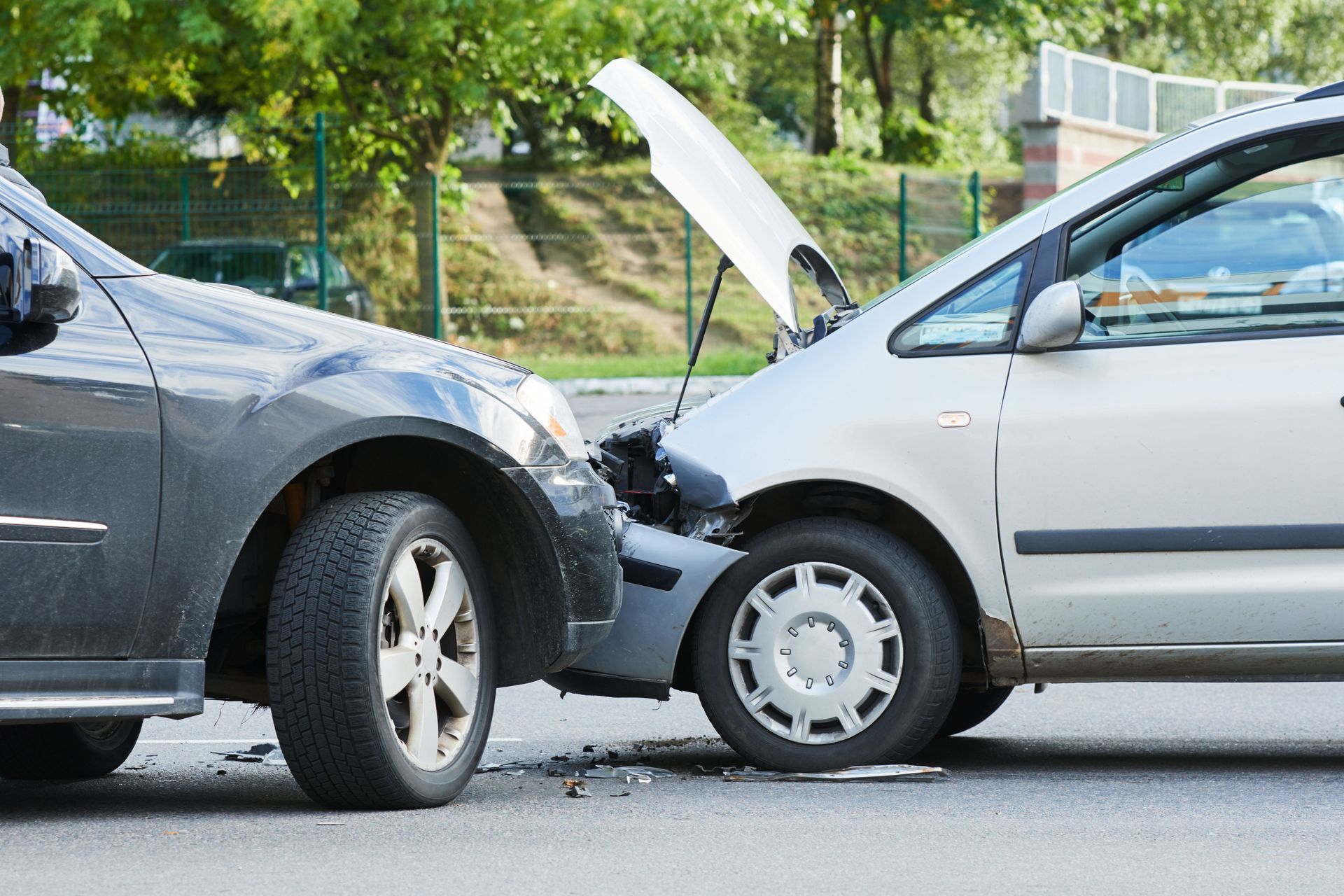
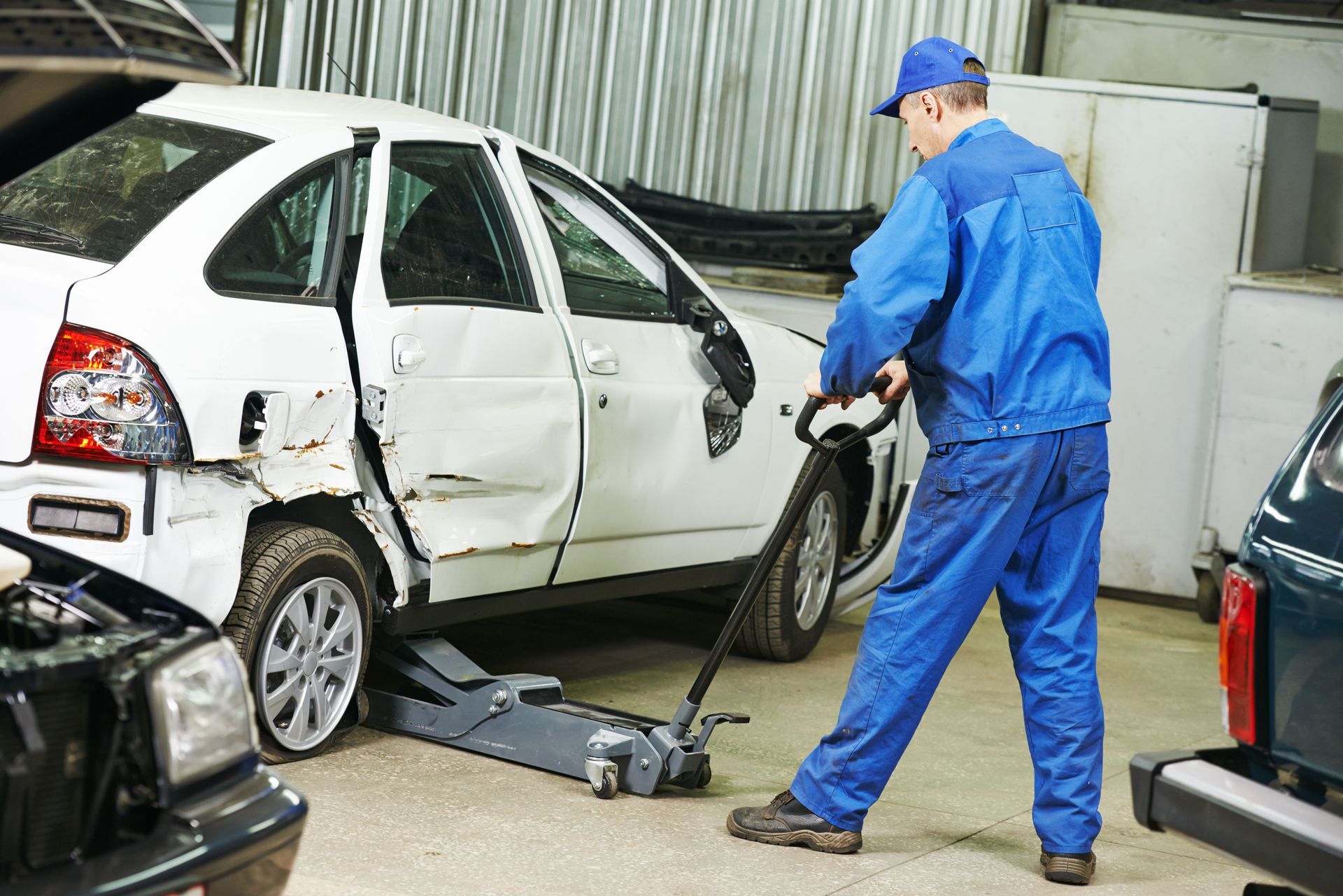
Not every collision involves another moving vehicle. According to Forbes, over 20% of vehicle crashes occur when drivers collide with fixed objects like poles, landscaping, or parked cars. These impacts can still cause meaningful structural damage, especially if the force is concentrated in one area. A front corner impact, side impact, or rear impact can shift frame components even if the exterior damage appears limited.
This makes professional inspection essential after a crash. Drivers may underestimate the seriousness of damage when the vehicle still starts, moves, or appears mostly intact. However, hidden frame movement can affect safety and performance. During auto collision repairs, trained technicians look for signs such as uneven gaps, unusual tire wear, steering changes, door alignment issues, and measurement discrepancies. These details help reveal whether the structure requires correction before the vehicle returns to regular use.
Using Specialized Equipment
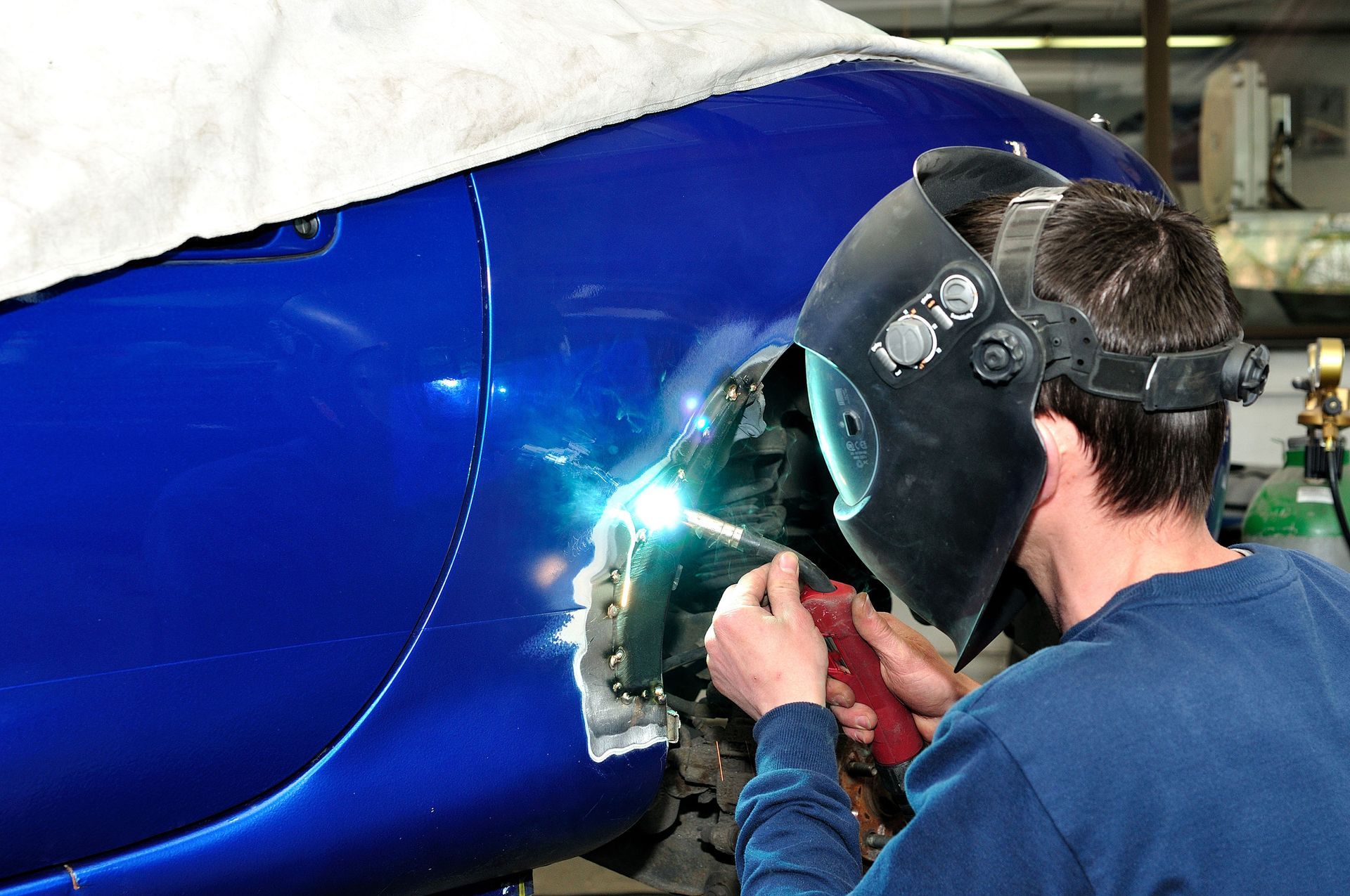
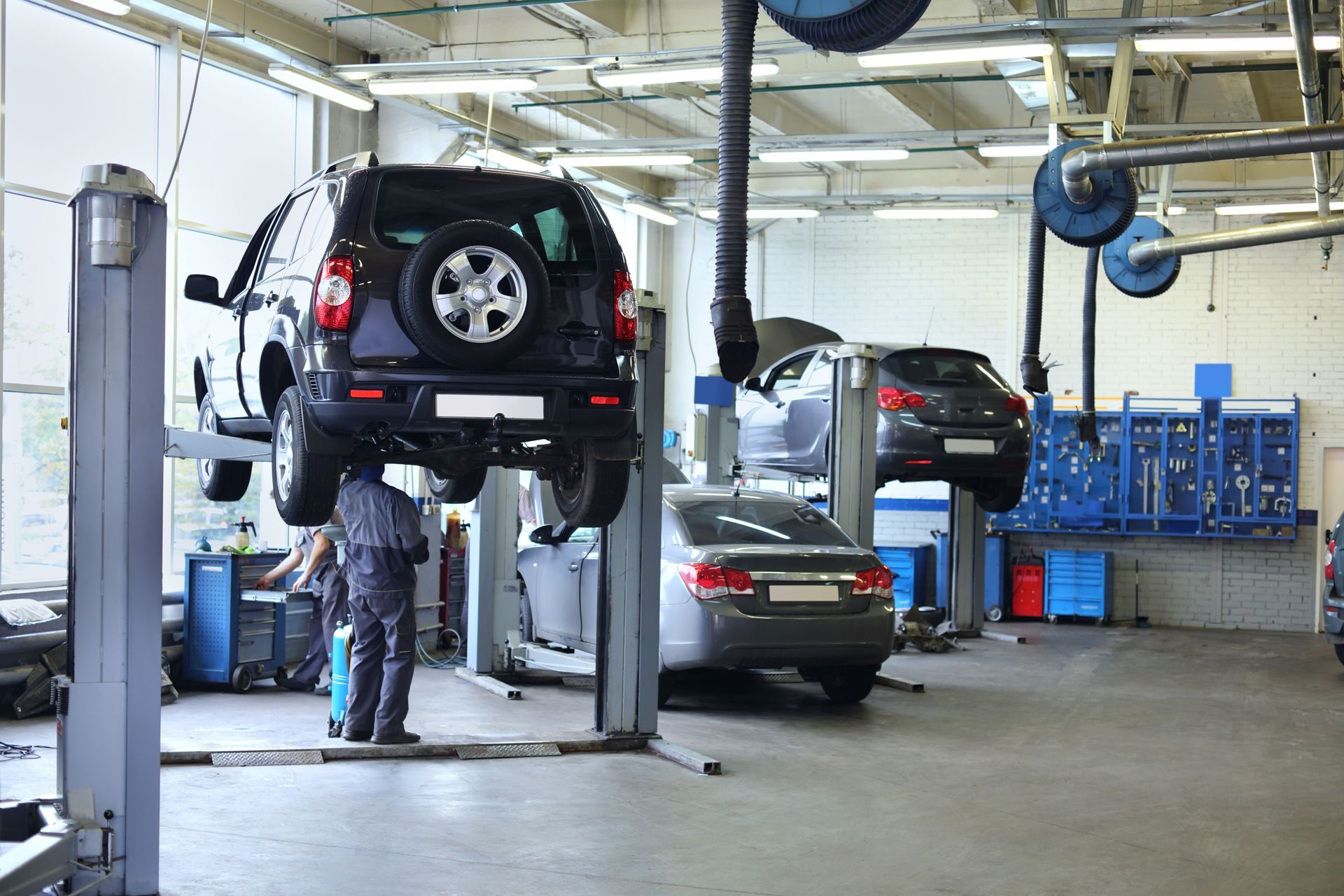
Frame straightening requires more than basic tools. Professional repair facilities use specialized measuring systems, frame machines, pulling equipment, and manufacturer repair information to restore structural dimensions. These tools allow technicians to compare the damaged vehicle against precise specifications. Without this technology, it would be difficult to know whether the frame has been restored accurately.
Skilled technicians also understand that frame repair must be done carefully and methodically. Pulling too far, applying force incorrectly, or failing to measure throughout the process can create new problems. Proper repairs require patience, experience, and technical knowledge. The goal is not simply to make the vehicle look straight, but to restore the structure so it supports safe operation and proper fitment of all related parts.
Supporting Quality Repairs
A straight frame is the foundation for the rest of the repair process. Paintwork, panel replacement, bumper installation, lighting repairs, and mechanical adjustments all depend on the structure being correct first. If technicians attempt cosmetic repairs before addressing frame damage, panels may not fit properly, gaps may look uneven, and repaired areas may not hold up as expected. This can compromise both appearance and function.
Quality auto collision repairs follow the right order. Structural inspection and correction come before final refinishing and reassembly. This approach helps ensure that the vehicle not only looks repaired but also performs safely and reliably. Drivers should choose a repair shop that explains the process clearly, uses proper equipment, and understands the importance of structural accuracy.
Getting a straight frame after a collision is crucial because the frame affects far more than the appearance of a vehicle. It influences crash protection, wheel alignment, handling, tire wear, safety systems, structural strength, and long-term reliability. Even collisions that seem minor can create hidden damage that requires professional evaluation. By prioritizing accurate frame repair during auto collision repairs, drivers can protect their safety, preserve their vehicle’s performance, and avoid future problems caused by incomplete repairs. If your vehicle has been in an accident and you want repairs completed with safety and precision in mind, contact The Paint Spot.



Share On: