
The Importance of Precision Scratch Removal and Polishing in Auto Collision Services
The automotive industry places a high premium on aesthetics and functionality. When vehicles undergo collisions, restoring them to their original condition demands meticulous attention. This article delves into the crucial role of scratch removal and polishing in auto collision services, highlighting its impact on vehicle performance and appearance. The visual appeal of a vehicle often serves as a reflection of its owner's attention to detail and care. Thus, the effectiveness of scratch removal and professional polishing techniques is paramount in maintaining not only the look but also the structural integrity and longevity of a vehicle.
Understanding the Techniques of Scratch Removal
Vehicle scratches come in various forms, each requiring targeted intervention. Clear coat scratches, which affect the outermost layer, are mainly superficial but can dull a vehicle's appearance. Primer and paint scratches are more severe, revealing underlying layers and potentially leading to corrosion if left unattended. Deep scratches pierce through multiple layers, often requiring comprehensive repairs to avoid further damage. Micro scratches, though seemingly insignificant, can affect surface sheen, highlighting the need for precision in addressing even the smallest blemishes.
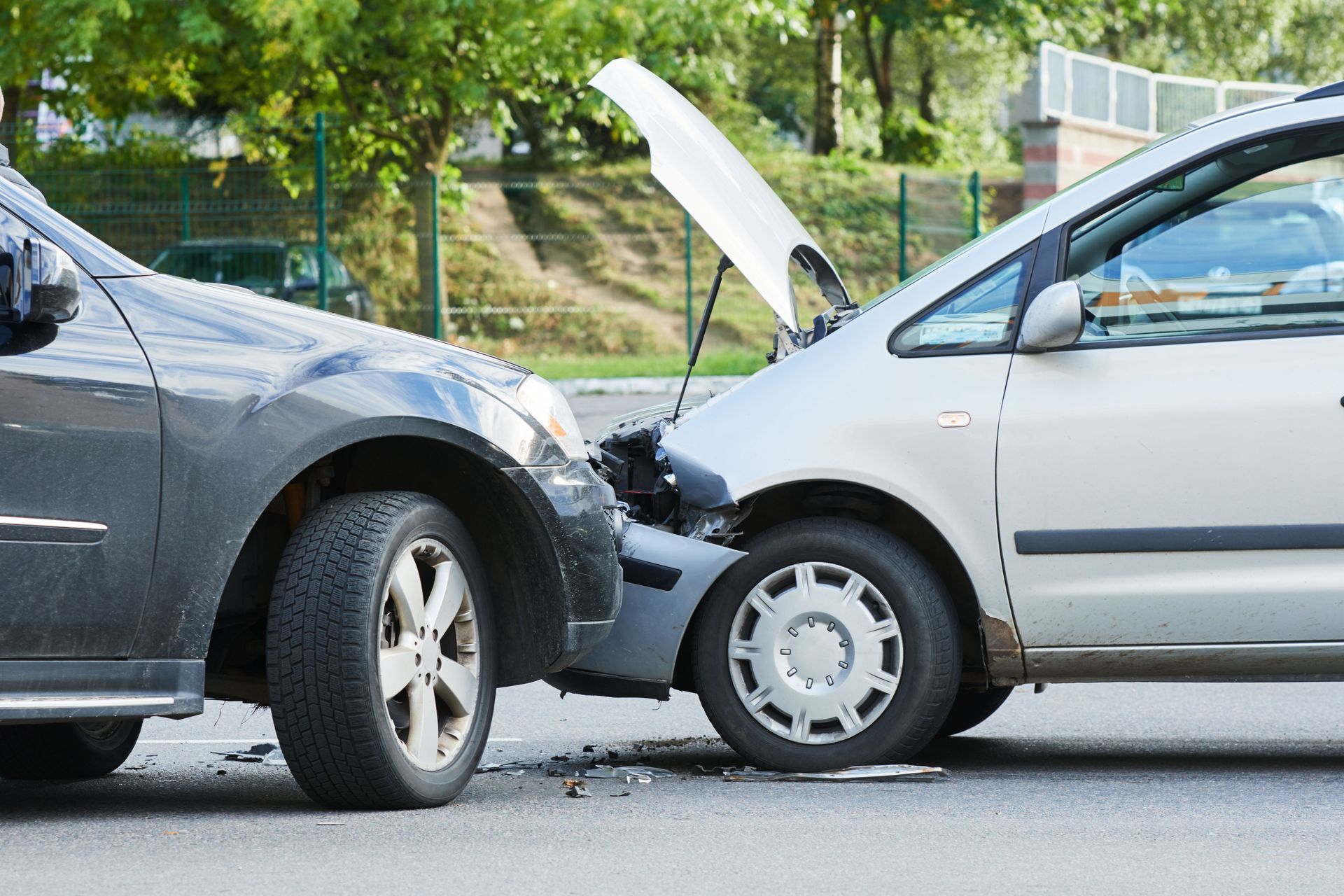
Understanding these types is crucial for determining the appropriate repair strategies. According to Forbes, more than 20% of auto collisions are with stationary objects such as poles, shrubbery, or a parked car. Such accidents can frequently result in different magnitudes of scratches depending on the surface area of impact. Detecting the extent of these scratches is essential, as some may not be immediately visible but could harbor underlying issues. Technological advancements in scratch detection tools have greatly enhanced the ability to diagnose and treat these damages effectively, ensuring that no minor imperfections are overlooked.
Precision in addressing these varied types of scratches maintains a vehicle's aesthetic appeal and structural integrity. Incorrectly assessed scratches can lead to ineffective repairs and even exacerbate the extent of damage. Thus, it is vital to equip professionals with the knowledge and tools necessary to handle each type of scratch with the appropriate techniques. This adherence not only enhances customer satisfaction but also contributes to the longevity and resale value of the vehicle. Therefore, auto collision services must prioritize thorough inspection and accurate categorization of scratches as a foundational practice.
Selecting High-Quality Compounds and Specialized Abrasives
High-quality compounds play a critical role in the scratch removal process, with each type suited to specific applications depending on the depth and nature of the scratch. Selecting a suitable compound involves a balance between aggressive abrasion and fine polishing, permitting multiple layers of a scratch to be effectively managed without damaging paint integrity. Sandpaper and other abrasives are essential, requiring a deft touch to ensure optimal results. Proper selection and application techniques are vital, as inappropriate use can lead to further scratches or uneven surfaces.
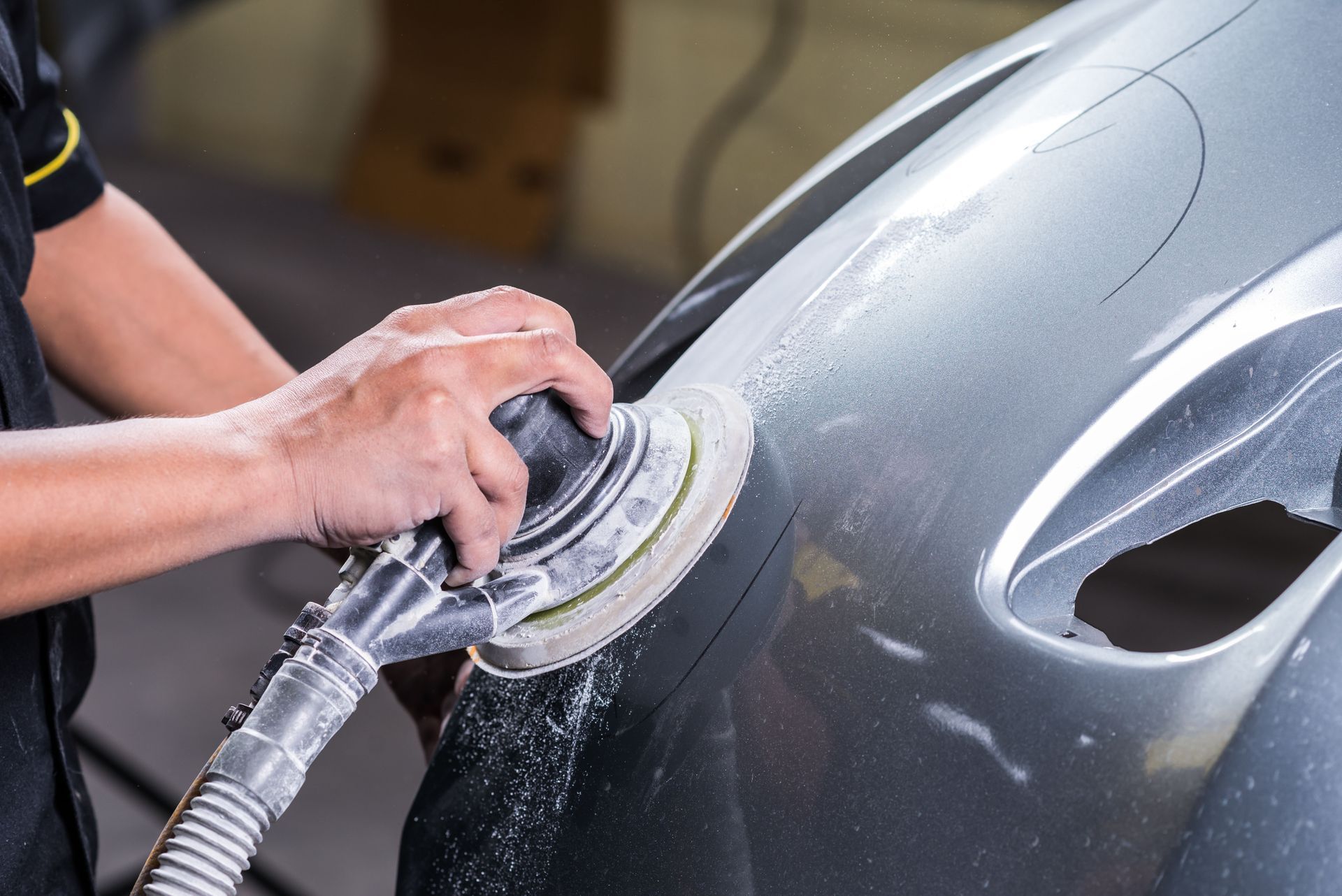
The choice between motorized and manual buffers and polishers is a central consideration, with each offering distinct advantages. Motorized buffers can provide consistent pressure and coverage, which is beneficial for larger areas, whereas manual options offer greater control for intricate sections. Advances in equipment technology have introduced tools capable of minimizing labor time while maximizing precision, often incorporating variable speed adjustments and ergonomic designs. The use of safety materials to protect both the technician and vehicle during these operations is indispensable, further reducing risk and ensuring high-quality results.
Advanced equipment improves efficiency and overall performance in scratch removal. Utilizing state-of-the-art tools ensures that professionals can deliver results that weren't achievable a few decades ago. These innovations not only benefit the technician but also the customer, as improved tools lead to quicker turnaround times and potentially lower costs. Moreover, consistently investing in the latest technology cements an auto repair shop's reputation for excellence and professionalism within the industry. Therefore, adopting advanced tools and materials is central to maintaining competitiveness in auto collision services.
Executing the Multi-Stage Refinishing Process Sequentially
The scratch removal process begins with a thorough assessment and planning phase, where the extent of the damage is evaluated to tailor the repair strategy. Technicians must identify which scratches require abrasive techniques and where polish alone will suffice. Sanding is an initial step for leveling the surface, preparing it for further treatment while ensuring adherence to the paint layer. Techniques are applied systematically to achieve restitution of the original finish without compromising the vehicle's exterior structure. Professionals must apply precise levels of pressure and use correct speed settings to restore the shine effectively.
Polishing techniques are crucial for achieving a restorative finish that matches the vehicle's original luster. The choice of polish and application technique can mean the difference between a seamless repair and a visibly patched area. Professionals employ various test methods to ensure the removal's success, verifying that no area remains untouched. Quality control measures play a significant role, ensuring that each detail is scrutinized and rectifiable to preserve a showroom-like appearance. The final buffing stage enhances the vehicle's gloss, thus boosting its aesthetic value while offering a protective coating against future abrasions.
Maximizing Long-Term Durability and Resale Valuation
Scratch removal and polishing contribute significantly to preserving a vehicle's resale value, aligning with economic benefits for owners. Vehicles with well-maintained exteriors command higher prices in the resale market due to their pristine condition, offering potential buyers appeal. Aesthetic allure, coupled with strategic damage management techniques, staves off the degradation of vehicle frames and integral parts. Protecting vehicles against corrosion through thorough polishing extends their operational effectiveness, ensuring durability. Incorporating maintenance practices ensures a vehicle's extended lifespan, aligning with owner expectations of consistent performance over time.
Beyond resale considerations, the impact of scratch removal on long-term vehicle durability is profoundly beneficial. When scratches damage the protective coat, underlying materials can succumb to environmental factors, resulting in premature degradation and rusting. Hence, advanced techniques like scratch removal and comprehensive polishing ensure preventative care against corrosion. The integration of precise repair strategies is instrumental in maintaining a vehicle's structural robustness, which aligns with consumer interest in value for money. Further, owners benefit from prolonged enjoyment of cosmetically appealing vehicles, fulfilling aesthetic preferences and functional needs.
Integrating Advanced Protective Elements and Visual Upgrades
Professional polishing techniques provide unmatched results that closely mimic the flawless shine of a new vehicle, ensuring customer satisfaction with each service. Expertise allows for achieving showroom-quality finishes that set vehicles apart in a variety of settings, making them ideal for competitive showcases and daily drives. Professional polishing does more than enhance appearance; it builds on the paint's durability and resilience against future abrasions or environmental damage. Thorough polishing reduces surface imperfections, achieving uniform smoothness and remarkable gloss that accentuates a vehicle's defining features. Furthermore, specially-formulated products offer vital UV protection, preserving paint longevity in various weather conditions.
The use of specialized polishing products contributes to innovation and efficiency, ensuring superior results across a broad spectrum of vehicle surfaces. These advancements empower technicians to deliver more efficient service, increasing satisfaction and reducing the need for return visits. A broad array of improved compounds offers tailored solutions, from basic touch-ups to severe damage repair, allowing interventions per scenario. Furthermore, these products help minimize environmental impact by incorporating eco-friendly ingredients and sustainable practices. The long-term benefits of professional polishing extend to economic aspects, preserving higher resale values as vehicles retain their pleasing aesthetics over time.
Turning principles into reality leverages an innovative becoming that holistically affirms definitive roles in quality sheet metal manipulation, refinishing, and vehicular charisma. Embracing these aspects asserts concierge excellence, reflecting strategic impact on refining auto bodies to outlast environmental wear, ensuring aligned functionality. Prospective future horizons imbuing cutting-edge deliverables continue to define the future course of auto body maintenance and repair. For more information about the services that we offer, reach out to our incredible team at The Paint Spot Body Shop today!

Share On: