


6 Steps to Take After a Rear End Auto Collision
Experiencing a rear-end auto collision can be a jarring and stressful event, one that demands immediate attention and action. Recognizing the essential steps to take after such an incident is crucial for ensuring the safety and well-being of everyone involved, as well as protecting your legal rights. Properly managing the aftermath can also facilitate a smooth recovery process, including navigating necessary auto collision repair, and minimize potential financial or legal ramifications. Given the prevalence of rear-end collisions, according to Amica Insurance showing that around 1.7 million such accidents occur annually in the U.S., drivers need to be prepared and informed. This post will guide you through the critical steps to take in the moments following a rear-end collision, covering aspects from safety and legal considerations to effective communication with insurance companies.
1. Ensure Safety First
Safety should always be the top priority following a rear-end collision. Immediately after the incident, it's important to check yourself and passengers for any visible injuries. If anyone is hurt, calling emergency services is imperative to ensure prompt medical attention. Even if injuries seem minor, the shock of the accident might initially mask their severity, so erring on the side of caution is always prudent. Keeping calm is essential during this time, as heightened emotions can cloud judgment and lead to conflict or confrontations with other drivers.
Once you have assessed everyone's physical condition, if your vehicle is still operable, moving it to a safer location off the road is advisable. This helps prevent further accidents and allows traffic to continue without obstruction. Turning on hazard lights and deploying emergency supplies such as cones or warning triangles can enhance visibility and alert other drivers to the situation. By ensuring that the scene is as safe as possible, you reduce the risk of additional complications before arranging for auto collision repair. Also, maintaining composure enables a more efficient resolution to the situation.
2. Contact Authorities
After confirming everyone's safety, contacting the appropriate authorities is the next vital step. Calling the police to report the accident is important, particularly if there are any injuries or substantial property damage. A police officer can provide an objective presence to help mediate the situation and guide the involved parties through the next steps. Obtaining a police report is essential as it serves as an official and unbiased document that will support your insurance claim, auto collision repair estimates, and any legal actions. While involving the police may seem daunting, it is a necessary measure to ensure the situation is handled lawfully and properly documented.
Filing an accurate accident report is crucial for future proceedings, whether for insurance or legal purposes. Providing all necessary details regarding the incident will help paint a clear picture of the event for those who were not present. This includes the time, location, and conditions that might have contributed to the collision. Be as detailed and precise as possible, and request a copy of the accident report for your own records. Additionally, it is worthwhile to ask the attending officers if there are any further steps you need to follow and for their contact information in case additional questions arise later.
3. Exchange Information
Exchanging information with the other driver is a critical step in resolving the aftermath of a rear-end collision. Gather the other driver's details, including their name, phone number, address, driver's license number, and insurance information. This information is crucial for filing insurance claims and addressing any subsequent legal matters. Ensuring the information exchanged is accurate is vital for a seamless follow-up, as providing inconsistent details can complicate claims. While these tasks are procedural, maintaining politeness and a positive demeanor can ease tension and prevent any unnecessary hostility.
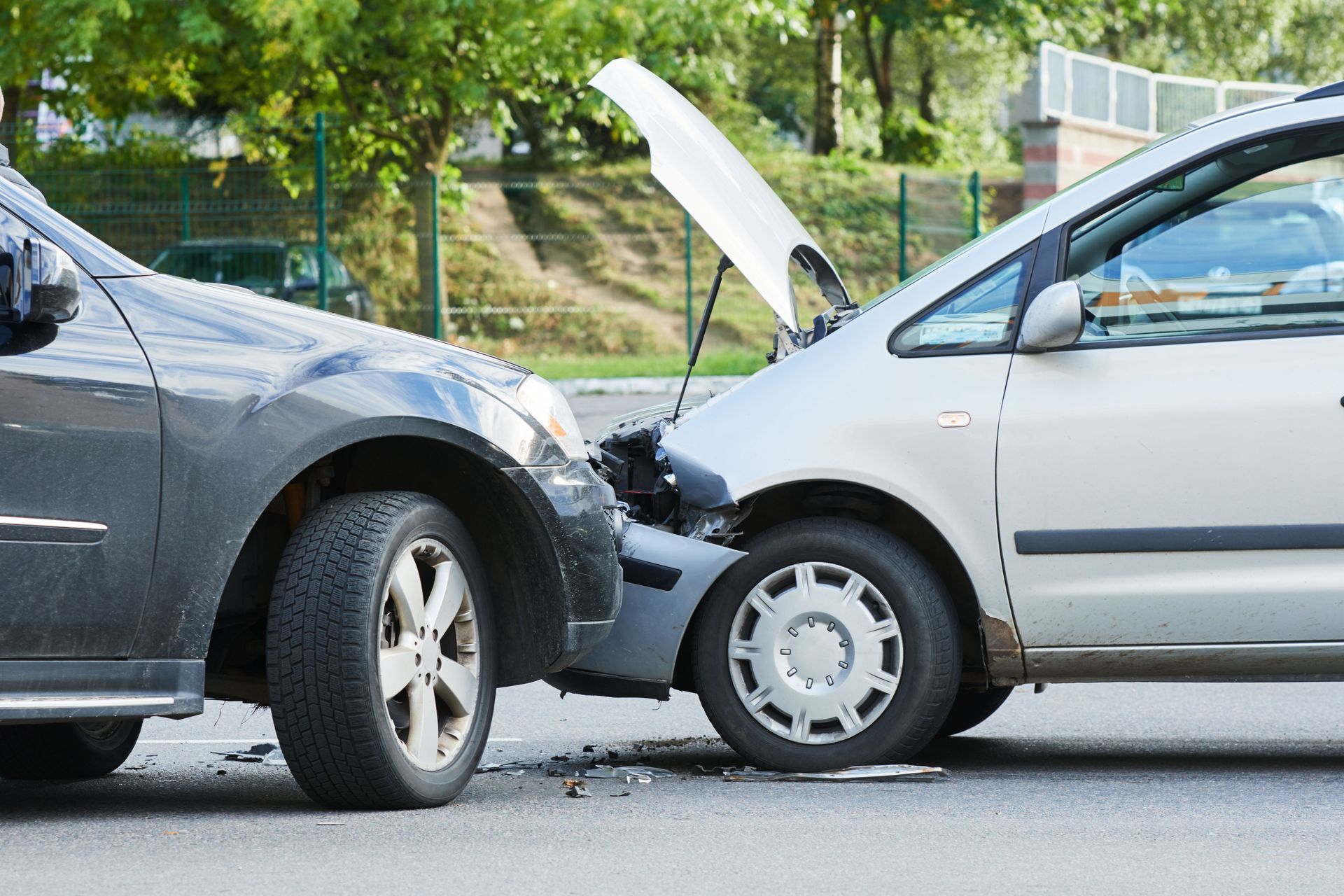
In addition to personal and insurance details, documenting the involved vehicles is equally important. Take note of the make, model, color, and license plate number of both vehicles involved. Photographs of the vehicles, including damages from different angles, can serve as visual evidence if discrepancies arise later in insurance claims or during the auto collision repair evaluation process. These images provide an irrefutable record of vehicle conditions immediately post-accident, supporting your side of the story. The act of capturing the scene can also bring attention to any additional factors such as road conditions or obstructions contributing to the collision.
4. Document the Scene
Proper documentation of the accident scene is a crucial step for supporting your insurance claim and any potential legal proceedings. Start by taking clear and comprehensive photographs of all vehicles involved, making sure to capture the damages from multiple angles. Additionally, photographing the broader scene of the accident, including traffic signals, signs, and road markers, provides context that may be important for understanding how the collision occurred.
Beyond photographs, video footage can serve as an invaluable resource. Using your smartphone, walk through the scene, capturing a panoramic view that includes surrounding environmental factors like road hazards, weather conditions, and traffic congestion. Video captures nuances that photos may miss, such as the dimensions of damages or sounds of the environment that could have impacted driver behavior.
5. Notify Your Insurance Company
Contacting your insurance company promptly after a rear-end collision is crucial in terms of managing the subsequent claims process efficiently. Begin by informing your insurance agent about the accident as soon as feasibly possible. This not only initiates the claims process but also helps clarify any immediate procedural expectations or obligations on your part, such as selecting a certified auto collision repair facility. Providing your insurance company with an accurate and detailed account of the incident, accompanied by documentation like photographs and witness statements, will assist them in assessing the situation fairly.
During your communication with the insurance company, it is important to clearly comprehend your coverage terms and limitations. Discuss and clarify the extent to which your policy covers property damage, medical expenses, and other costs arising from the collision. This understanding aids in proper financial planning, mitigating the impact of any unforeseen costs. Furthermore, being knowledgeable about your coverage allows you to better navigate conversations about potential third-party claims that may arise.
6. Seek Medical Attention
Prompt medical evaluation is essential after a rear-end collision, even if injuries are not immediately apparent. Visits to healthcare professionals can identify latent or internal injuries early, allowing for timely intervention and treatment. Immediate examination helps address potential complications that might otherwise be overlooked in the adrenaline-fueled aftermath of an accident. Documenting all medical consultations and maintaining comprehensive records will be vital for both recovery tracking and any related insurance or legal claims.
Following prescribed treatments and therapies is crucial to ensuring a proper recovery trajectory. Continuously monitoring your health and progress, and adhering to medical advice, encourages a sustainable recovery path and minimizes long-term impacts. Keeping detailed records of recovery, including any setbacks or unusual symptoms, offers insight into injury development and recovery speed. Understanding the potential long-term effects of your injuries helps make informed decisions about seeking specialized consultations or adjusting treatment plans.
Navigating the aftermath of a rear-end collision involves a structured approach prioritizing safety, effective documentation, and adherence to legal and insurance protocols. By safeguarding passengers and moving vehicles off the road, you reduce the risk of further accidents. When you need auto collision repair after an accident, give The Paint Spot Body Shop a call.
Share On: