6 Reasons to Choose Certified Honda Collision Repair After an Accident
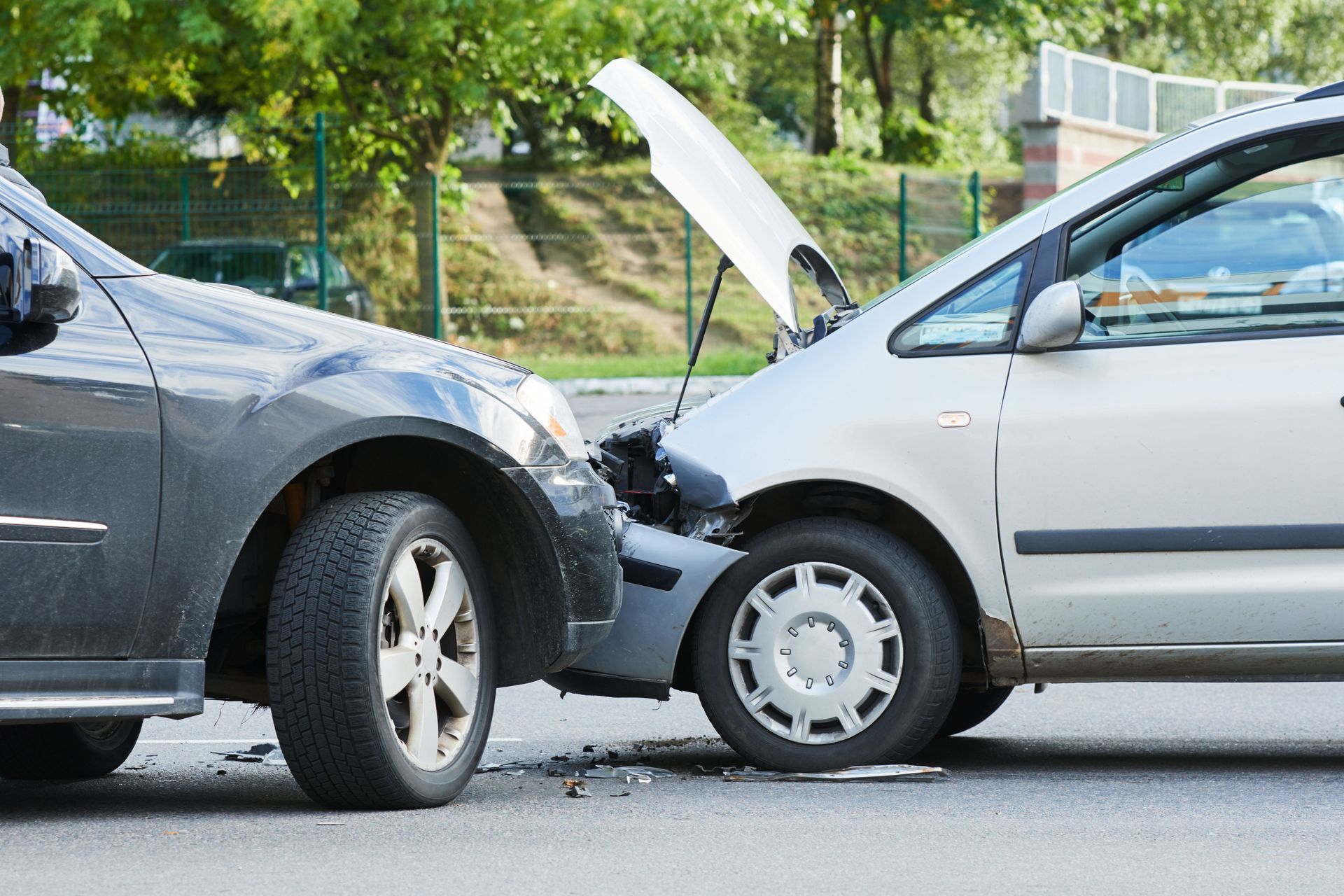
Explore why opting for certified Honda collision repair is crucial for preserving your vehicles performance, safety, and long-term value after an accident. Understanding the benefits helps you make informed repair decisions that protect both your investment and your safety. As vehicles remain on the road longer than ever, high-quality repair work is essential for maintaining structural integrity and preventing further issues. According to Kelley Blue Book, the average vehicle on U.S. roads is nearly 13 years old, making specialized repair expertise increasingly important for proper restoration and lasting durability. Certified Honda collision repair offers the precision, training, and manufacturer-approved standards needed to ensure your Honda performs exactly as intended after a collision, providing peace of mind for every drive.
1. Enhancing Technician Expertise and Training
Certified Honda technicians complete rigorous training programs designed directly by Honda engineers. These programs equip them with an in-depth understanding of Hondas unique construction, technology, and safety systems. When you choose a certified facility, you benefit from technicians who are specialist not general mechanics and who follow precise repair procedures tailored to your vehicle, ensuring every repair meets Hondas high standards.
Because Honda vehicles incorporate proprietary engineering and advanced safety systems, expert knowledge is critical for proper diagnosis and repair. Certified technicians undergo ongoing training to stay updated on new models, emerging technologies, and evolving repair standards. This ensures they can accurately identify hidden damage and address structural or mechanical issues before they become long-term problems, safeguarding both performance and safety.
With U.S. vehicles averaging nearly 13 years of use, the expertise required to maintain older models grows increasingly important. Certified technicians understand how age, mileage, and wear affect Honda components, enabling them to perform repairs that restore not only appearance but also long-term performance, reliability, and safety. Their specialized training is one of the strongest reasons certified Honda collision repair consistently delivers superior results and dependable service.
2. Ensuring Genuine OEM Parts Use
One of the most important advantages of certified Honda collision repair is guaranteed use of genuine Honda OEM parts. OEM parts are engineered to meet the exact specifications of your vehicle, ensuring proper fit, function, and performance. This precision is essential for maintaining safety features, structural strength, and long-term reliability, preventing future complications.
Unlike aftermarket components, OEM parts undergo extensive performance, durability, and crash-safety testing. They are designed to work seamlessly with your vehicles existing systems, especially advanced technology such as traction control, sensors, and driver-assist features. This ensures your Honda continues to deliver the smooth handling, efficiency, and safety you expect, even years after the original purchase.
OEM parts also protect your vehicles warranty. Many warranties can be voided when non-certified shops use low-quality aftermarket parts. With certified repair, you receive parts backed by Honda's own warranties and quality assurance. This added protection is particularly valuable for older vehicles now averaging nearly 13 years old because precise components are essential to keeping them dependable. Using OEM parts ultimately safeguards your investment and ensures long-term peace of mind while maintaining optimal performance and safety for you and your passengers.
3. Applying Advanced Repair Techniques
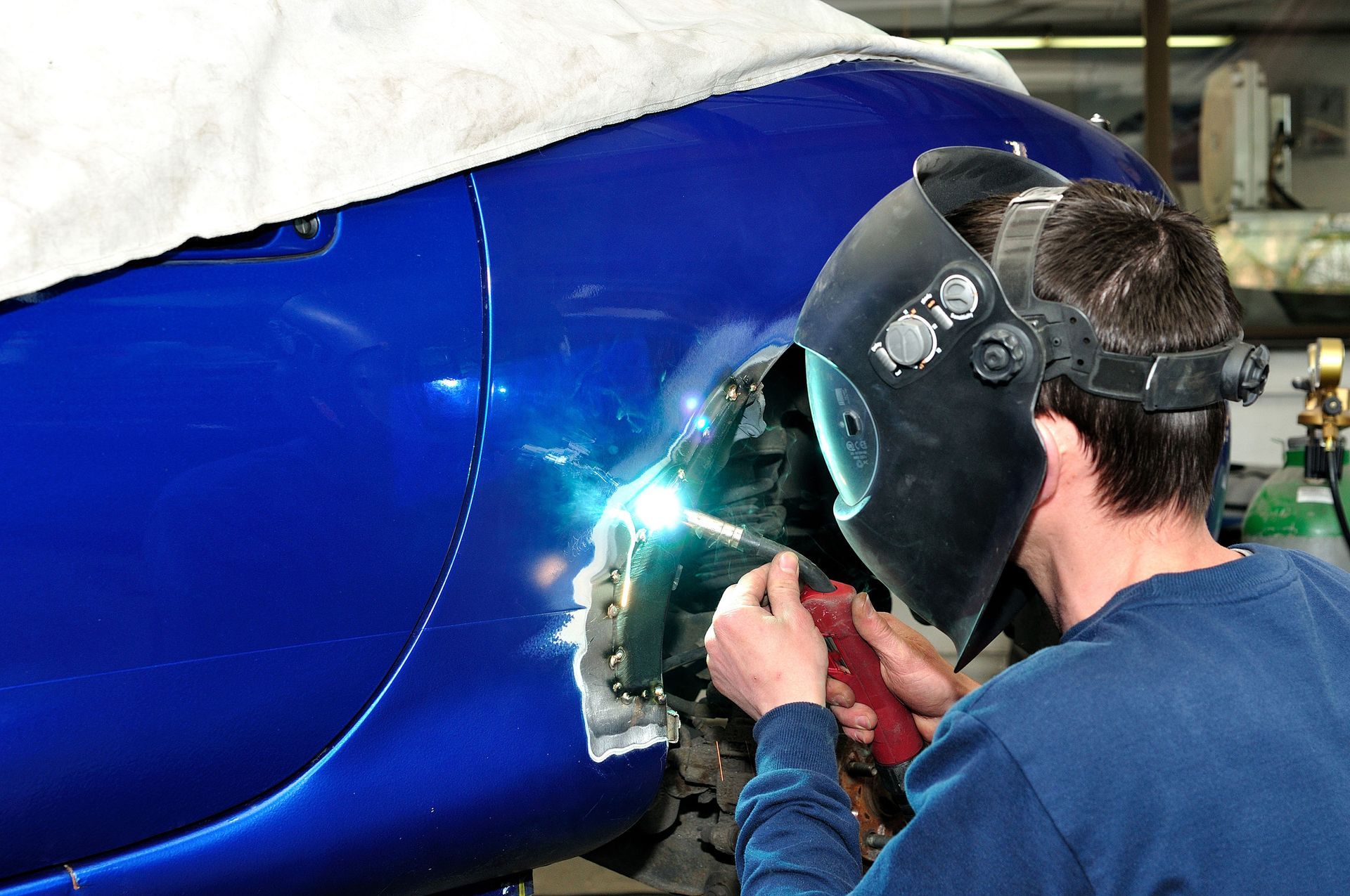
Certified Honda collision repair facilities are equipped with advanced repair technology and tools that meet Hondas strict standards. This includes specialized welding equipment, computerized measurement systems, and calibration tools that ensure every repair meets manufacturer guidelines. These capabilities allow technicians to restore your vehicles structural integrity, appearance, and safety systems with exceptional accuracy and efficiency.
Certified shops also follow Honda-approved repair procedures for every repair stage. This adherence is critical because modern Honda vehicles use high-strength steel, aluminum components, and advanced adhesives that require specific methods to maintain crash protection. When repairs follow Hondas specifications, the vehicle performs as intended during daily driving as well as in potential future accidents, providing consistent safety and reliability.
Advanced repair techniques also support faster, more efficient repair timelines. Certified facilities streamline processes to minimize downtime, ensuring your vehicle is restored promptly without sacrificing quality. These precise methods directly impact vehicle safety, as they ensure sensors, crumple zones, and structural components function exactly as designed. As vehicles age, precision repairs become even more important to maintain dependable safety, performance, and confidence on the road.
4. Protecting Vehicle Value and Longevity
Choosing
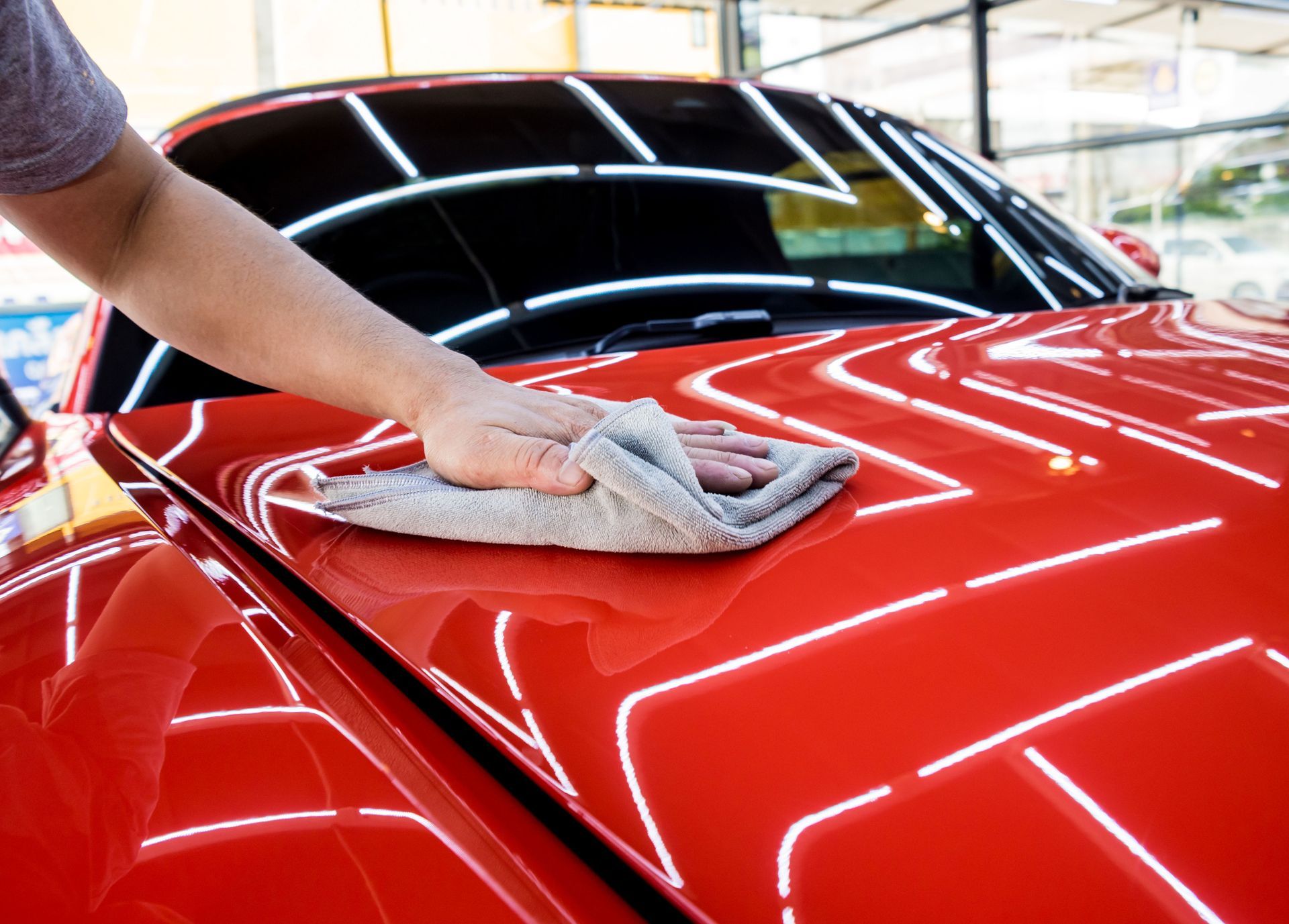
certified Honda collision repair is one of the best ways to protect your vehicles resale or trade-in value. Vehicles repaired with OEM parts and manufacturer-approved techniques typically retain more value because buyers and dealerships trust certified repairs over generic body shop work. High-quality repairs help preserve both the vehicles structural integrity and its cosmetic appeal, both of which impact market value significantly.
Certified facilities also provide detailed repair documentation, showing exactly what work was completed and which parts were used. This transparency reassures future buyers that the vehicle was repaired to the highest standard. It can also strengthen your negotiating power during resale or trade-in discussions, providing added confidence and value.
Certified repairs help you avoid costly future problems as well. Poor-quality repairs can lead to premature wear, rust, electrical issues, misaligned frames, and compromised safety systems. Investing in certified repair minimizes the likelihood of additional damage or expensive corrections later. By ensuring precise, manufacturer-approved repair techniques, certified facilities help maintain the long-term health, performance, and reliability of your Honda, making your vehicle a safer and more valuable asset over time.
5. Restoring and Maintaining Safety Features
Honda vehicles include advanced safety features designed to keep you and your passengers protected. After an accident, restoring these systems correctly is essential—and certified Honda repair shops have the tools and expertise needed to do so effectively and accurately.
This includes proper recalibration of Advanced Driver-Assistance Systems (ADAS), such as adaptive cruise control, lane-keeping assist, collision mitigation braking systems, and blind-spot monitoring systems. These features rely on highly sensitive sensors, cameras, and radar units. Even slight misalignment can compromise their performance, making accurate recalibration critical for long-term safety.
Non-certified shops may skip or incorrectly perform these calibrations, putting driver safety at risk. Certified facilities follow Hondas exact procedures and use approved calibration equipment to restore safety systems to factory accuracy. This ensures your vehicle continues to meet legal safety standards and delivers full protection in unexpected situations. As vehicles age, maintaining functional safety systems becomes increasingly important, and certified Honda collision repair guarantees every system operates as intended for years to come.
6. Improving Customer Satisfaction and Support
Certified Honda collision repair facilities are committed not only to high-quality repairs but also to delivering exceptional customer service. From the moment you arrive, staff focus on transparency, clear communication, and ensuring you understand your repair options. This open dialogue builds trust and helps you feel confident in the repair decisions being made, enhancing overall satisfaction.
Another major advantage is assistance with insurance claims. Certified shops work closely with insurers and understand the documentation and procedures needed to streamline your claim. Their expertise ensures you receive fair coverage while reducing stress during an already challenging time, making the repair process smoother and more efficient.
Post-repair support is another key benefit. Certified facilities often provide follow-up inspections, warranty coverage, and ongoing assistance if you have questions or concerns after repairs are completed. Their goal is to build long-term relationships by ensuring customer satisfaction, trust, and reliable results every time.
Certified Honda collision repair is a smart and valuable choice after an accident. From protecting safety features and preserving resale value to ensuring OEM parts and expert repairs, certified facilities provide unmatched quality, precision, and peace of mind. As vehicles on U.S. roads continue to age, maintaining them to manufacturer standards is more important than ever for long-term safety, performance, and reliability. For trusted, expert repairs that protect your investment and restore your Honda with precision, contact The Paint Spot Body Shop today for professional service you can rely on.


Share On: