
Why Proper Collision Repair Matters for Subaru Vehicles
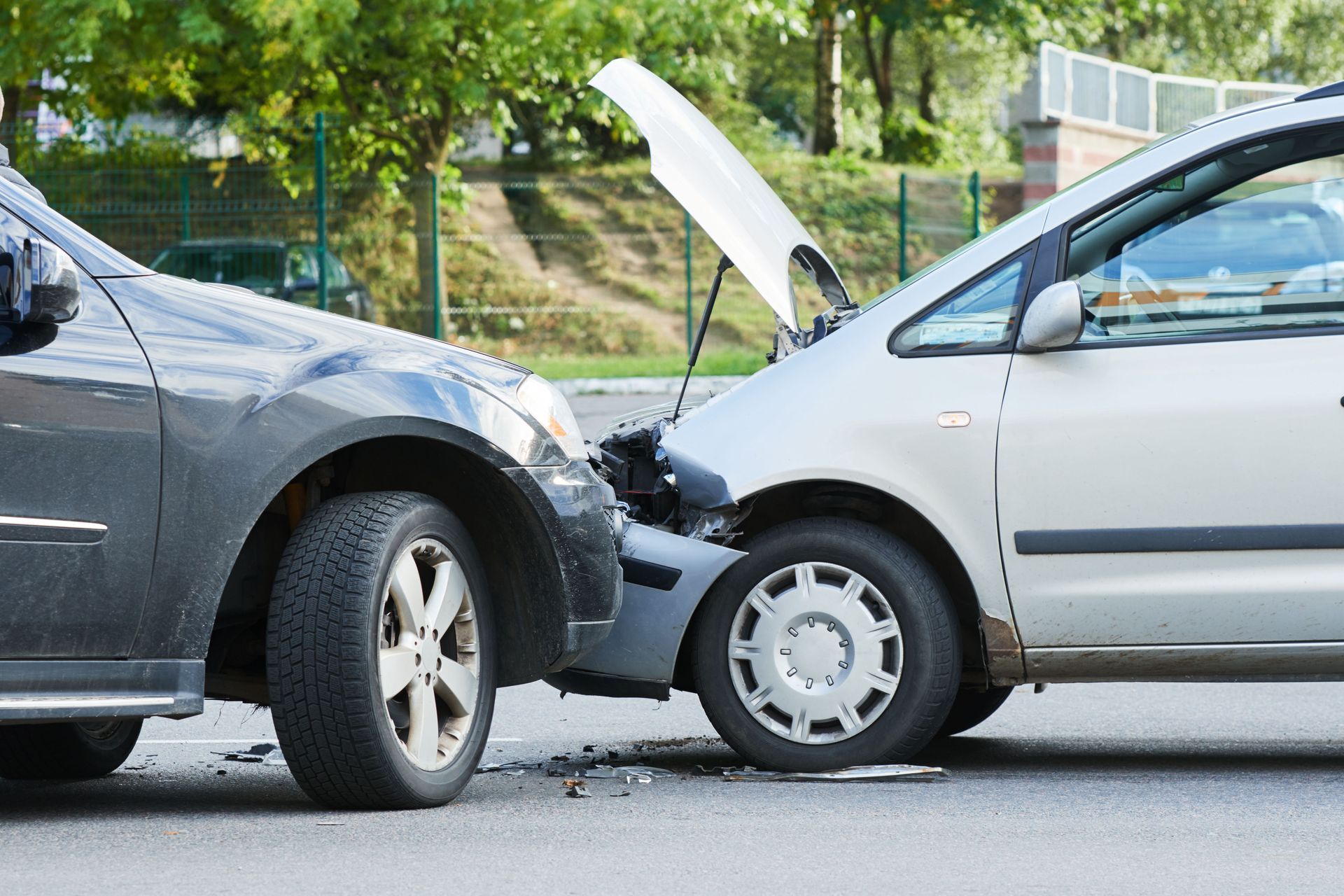
Subaru vehicles are known for their distinctive engineering, advanced safety technology, and dependable performance. However, restoring a Subaru after a collision involves more than repairing visible damage. Its structural components, electronic systems, and safety features must also be inspected. Choosing Subaru certified collision repair services helps protect the engineering and safety features that make these vehicles unique. Understanding what proper repairs involve can help owners make informed decisions about their vehicle's safety and long-term value.
Understanding Subaru's Unique Engineering
Subaru Global Platform and Structural Integrity
The Subaru Global Platform improves vehicle rigidity, stability, and crash protection through high-strength materials and carefully designed structural components. Following a collision, these components must be restored according to manufacturer specifications. Incorrect welding, measurements, or replacement materials can compromise structural integrity. Subaru certified collision repair services account for these requirements when addressing frame and body damage. Technicians must understand how structural sections work together to protect passengers.
Boxer Engine and Suspension Systems
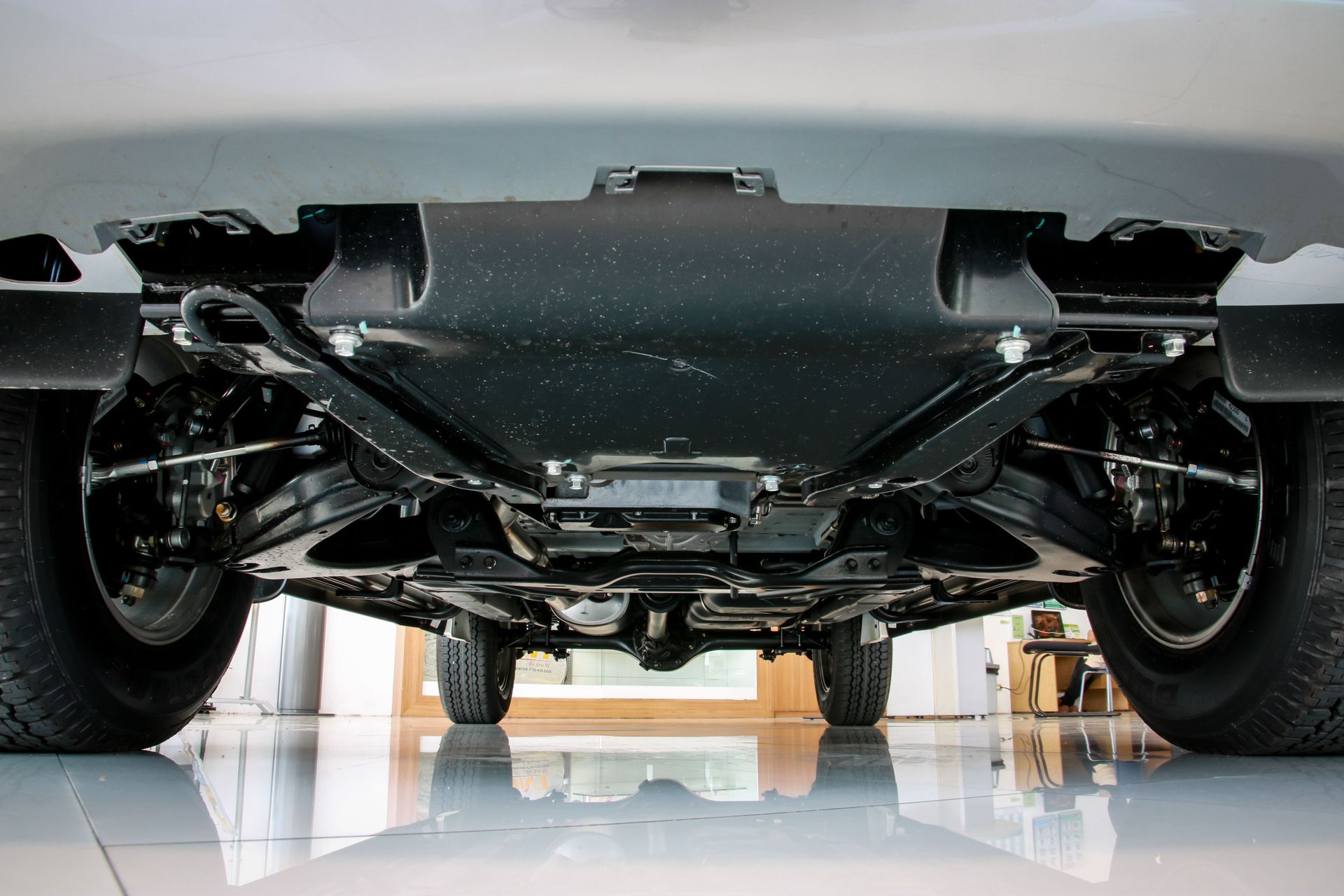
Subaru's horizontally opposed Boxer engine provides a lower center of gravity, contributing to vehicle balance and handling. Its design, along with the suspension and all-wheel-drive systems found in many models, requires careful attention during collision repairs. Impacts can affect suspension components, steering systems, and mounting points. Thorough inspections and accurate alignment measurements help restore the vehicle's intended handling characteristics.
Advanced Electronics and Safety Technology
Modern Subaru models contain sophisticated electronic systems, including EyeSight Driver Assist Technology. These features rely on cameras, sensors, and computer-controlled components to monitor driving conditions. Collisions can damage or misalign these systems, making diagnostic testing and recalibration necessary. Subaru certified collision repair services follow manufacturer-specific procedures to help restore affected technology. Technicians should also check wiring and connections that could interfere with electronic components.
Prioritizing OEM Parts During Collision Repairs
Understanding Original Equipment Manufacturer Parts
Original Equipment Manufacturer (OEM) parts are designed to meet the specifications established for a particular vehicle model. They provide the intended fit, compatibility, and performance of original components. Using genuine Subaru parts during collision repairs helps maintain the vehicle's engineering and safety characteristics. These components are manufactured to work with existing systems, reducing concerns about compatibility and improper fitment. Subaru certified collision repair services also emphasize selecting replacement components that meet the vehicle's specific requirements.
Comparing OEM and Aftermarket Components
Aftermarket parts may cost less initially, but their quality and compatibility can vary. Differences in dimensions, materials, or construction may create fitment problems or affect other vehicle systems. OEM parts are designed for specific Subaru models, making them an important consideration when replacing damaged components. Owners should discuss available options with their repair facility before approving the work.
Protecting Vehicle Value and Reliability
Quality replacement parts can contribute to long-term reliability and resale prospects. According to AutoLeap, used car sales increased by around 9% between 2019 and 2025. As the used vehicle market grows, buyers may pay closer attention to maintenance records, accident histories, and repair quality. Documented repairs using appropriate replacement components can help demonstrate that a Subaru has received proper care. Maintaining organized service records also gives future buyers a clearer understanding of the vehicle's condition.
Recognizing the Safety Risks of Inadequate Repairs
Restoring Crumple Zones and Airbags
Crumple zones absorb and redirect impact energy during collisions. If damaged sections are repaired incorrectly, they may not respond as intended in another accident. Airbag systems also depend on functioning sensors, electrical connections, and structural components. Proper inspections and diagnostic procedures help identify problems and restore these important safety features. Even when airbags do not deploy, related components should be checked for damage.
Maintaining Structural and Mechanical Alignment
Even minor collisions can affect frame measurements, suspension geometry, and steering components. Misalignment may cause uneven tire wear, reduced handling performance, or difficulty maintaining a straight driving path. A comprehensive repair process should include measurements, inspections, and adjustments based on Subaru specifications. Subaru certified collision repair services address these concerns rather than focusing exclusively on visible damage. Correcting alignment problems also helps prevent unnecessary stress on tires and mechanical components.
Addressing Hidden Collision Damage
Collisions can damage internal mounting points, wiring, cooling components, and other systems hidden behind exterior panels. Leaving these problems unresolved may contribute to mechanical issues or reduced safety performance. Detailed inspections help identify less obvious damage and support a more complete restoration. A thorough assessment is especially important when an impact affects multiple vehicle systems.
Selecting the Right Subaru Collision Repair Facility
Evaluating Certifications and Experience
Choosing a qualified repair facility is an important step after an accident. Subaru-certified facilities have access to manufacturer-specific repair information, equipment, and training. Before selecting a shop, owners should verify its current certifications and ask about its experience working with their particular model. Familiarity with Subaru engineering helps technicians follow appropriate repair procedures. Subaru certified collision repair services provide an approach centered on the manufacturer's repair requirements.
Asking Questions About the Repair Process
Vehicle owners should understand how a repair facility handles inspections, estimates, replacement parts, and final testing. Ask whether the shop follows Subaru repair procedures, uses OEM parts when appropriate, and performs necessary electronic calibrations. Written estimates and repair documentation help clarify the work being performed. Owners should also feel comfortable asking about additional damage discovered during repairs.
Reviewing Customer Feedback and Warranties
Customer reviews can provide insight into a repair facility's workmanship, communication, and service experience. Look for consistent feedback about repair quality and how the business handles customer concerns. Owners should also review warranty terms, including coverage for parts and labor, before authorizing repairs.
Navigating Insurance and Collision Repair Decisions
Understanding Your Insurance Coverage
Insurance policies differ in their coverage for collision repairs, deductibles, replacement parts, and labor. Some include provisions for OEM components, while others limit coverage to certain aftermarket alternatives. Reviewing your policy before approving an estimate can help clarify potential expenses. Owners should also discuss their preferred repair facility and repair requirements when handling a claim.
Communicating With Insurance Providers
Repair estimates, photographs, inspection findings, and manufacturer recommendations can help explain why specific procedures or replacement components are necessary. If an insurer questions repair costs or part selection, ask the repair facility to provide supporting information. Keeping records of conversations and claim decisions can help resolve disagreements. Clear communication between the vehicle owner, repair shop, and insurance provider helps keep the process organized.
Considering Diminished Value
A vehicle may lose resale value after an accident, even when repairs are completed correctly. This reduction is known as diminished value. Depending on the circumstances and applicable insurance rules, owners may be eligible to pursue compensation. Professional appraisals and repair documentation can help support a claim when appropriate.
Preserving Subaru Performance and Long-Term Value
Extending Vehicle Lifespan
Proper collision repairs help prevent damaged components from creating additional problems. Restoring structural connections, suspension systems, and electronics according to manufacturer specifications supports dependable operation. Addressing damage promptly can also prevent minor issues from developing into more extensive repairs. Quality collision work is an important part of maintaining a Subaru's condition over time.
Maintaining Driving Performance
Subaru drivers appreciate the brand's combination of stability, handling, and dependable performance. Restoring these characteristics requires attention to mechanical components and exterior panels. Accurate alignment, properly installed replacement parts, and functional electronic systems all contribute to the driving experience. Technicians should evaluate these areas to identify problems that could affect everyday operation.
Supporting Future Resale Opportunities
Documented collision repairs help prospective buyers understand how previous damage was addressed. Records showing replacement parts, completed procedures, and inspections provide evidence of maintenance quality. Keeping repair estimates, invoices, and warranty information organized can support future resale or trade-in discussions. Transparent documentation can help establish confidence in the vehicle's current condition.
Choosing Subaru certified collision repair services helps owners prioritize proper restoration after an accident. Contact The Paint Spot Body Shop to discuss your repair needs, available options, and the steps involved in getting back on the road.


Share On: